

 English
 日本語
日本語 한국어
한국어Industry News
 Home / News / Industry News / How to Choose the Right Paper Towel: Material, Absorbency & Hygiene Explained
 How to Choose the Right Paper Towel: Material, Absorbency & Hygiene Explained
 2026.06.18
 Industry News
Content
Most people buy paper towels the same way they buy salt — grab whatever's on the shelf, assume it works. But the wrong choice costs more than money. A towel that tears the moment it gets wet, or leaves lint on every surface it touches, is a daily frustration you don't need. The decision comes down to three things: material, absorbency, and what you actually need it for.
Why Material Is the Starting Point
Every paper towel starts with fiber. The type of fiber used determines how the towel feels, how much it absorbs, and how long it holds together under pressure. There are three main categories: virgin wood pulp, recycled fiber, and alternative plant-based pulps like sugarcane.
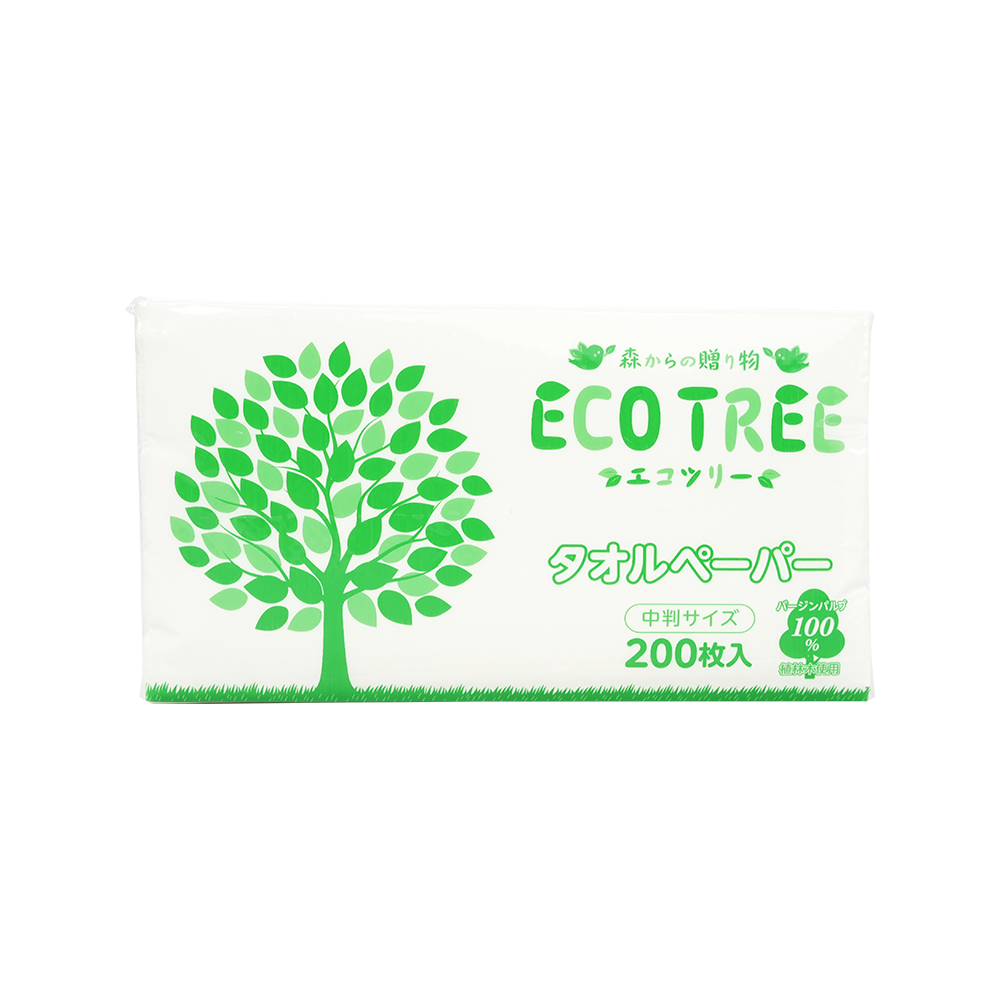
If softness and durability are your priorities, a wood fiber paper towel made from 100% all-wood pulp is the clear choice. Virgin wood pulp produces longer cellulose fibers, which interlock more densely during manufacturing. The result is a towel that resists tearing when wet and maintains its structure through heavy-duty wiping. MIOV's all-wood pulp hand towels, sized at 210×230mm, are a good example — their high whiteness and toughness make them suitable for anything from office restrooms to commercial food prep areas.
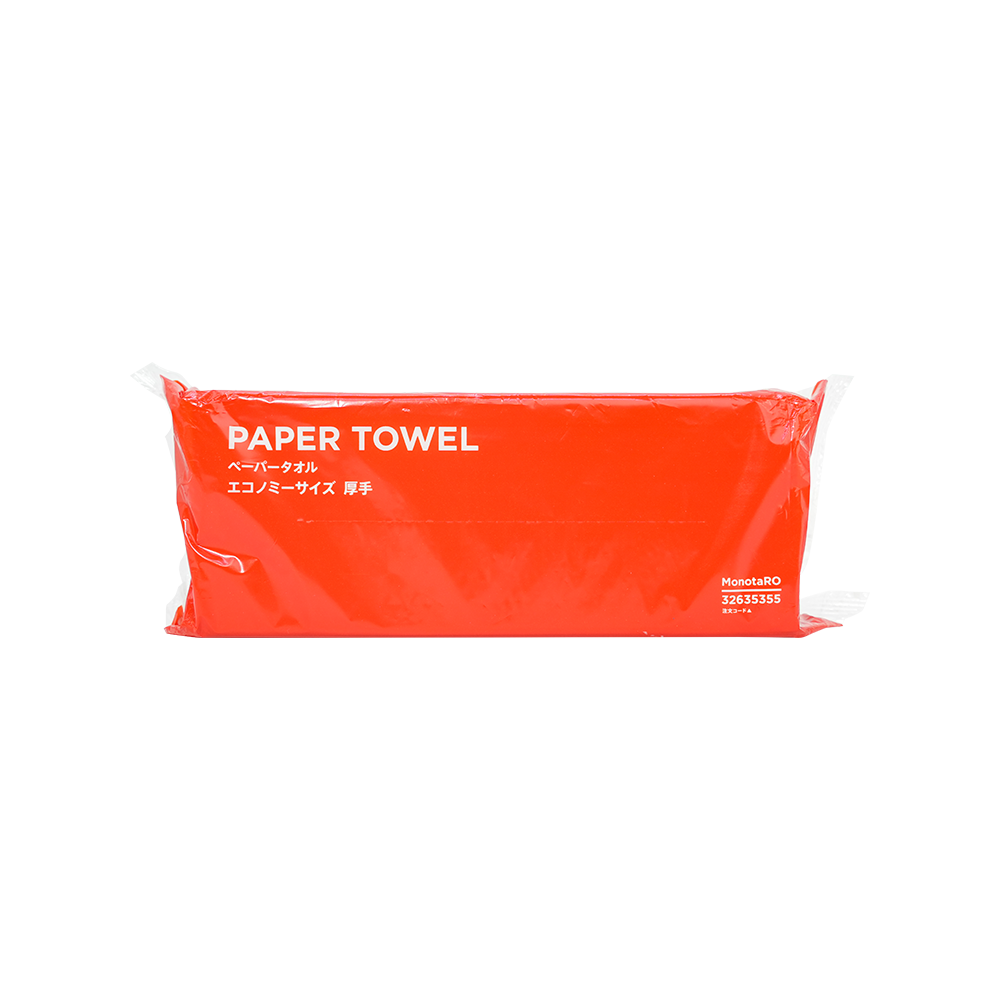
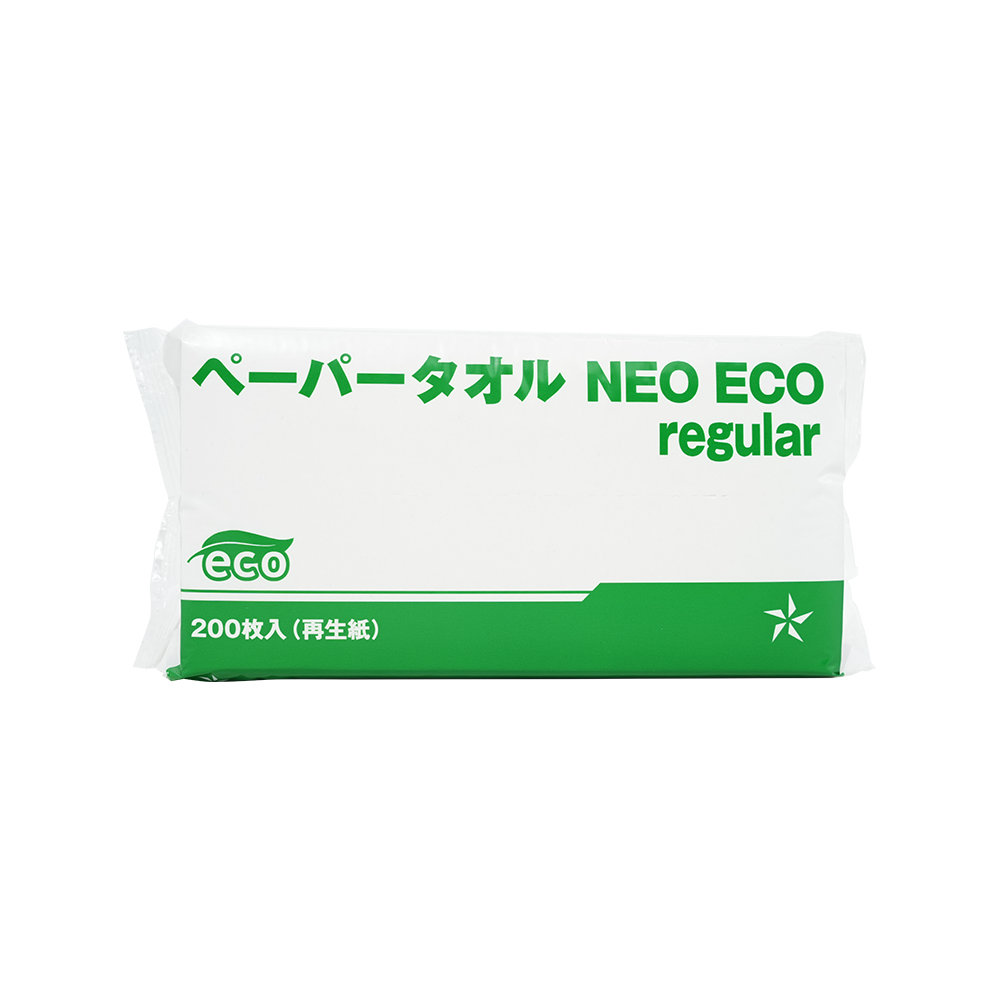
Recycled-fiber towels serve a different purpose. They trade some strength for environmental benefit, and when produced well, they can still deliver solid absorbency. The key is the gram weight: heavier recycled towels outperform lighter virgin-pulp ones in liquid retention, simply because there's more fiber to absorb with.
How Absorbency Actually Works
Absorbency isn't magic — it's physics. Cellulose fibers have hydroxyl groups that attract water molecules through hydrogen bonding. At the same time, the tiny spaces between fibers draw liquid inward through capillary action. The more surface area the fibers expose, and the more microscopic gaps the towel contains, the faster and more completely it absorbs.
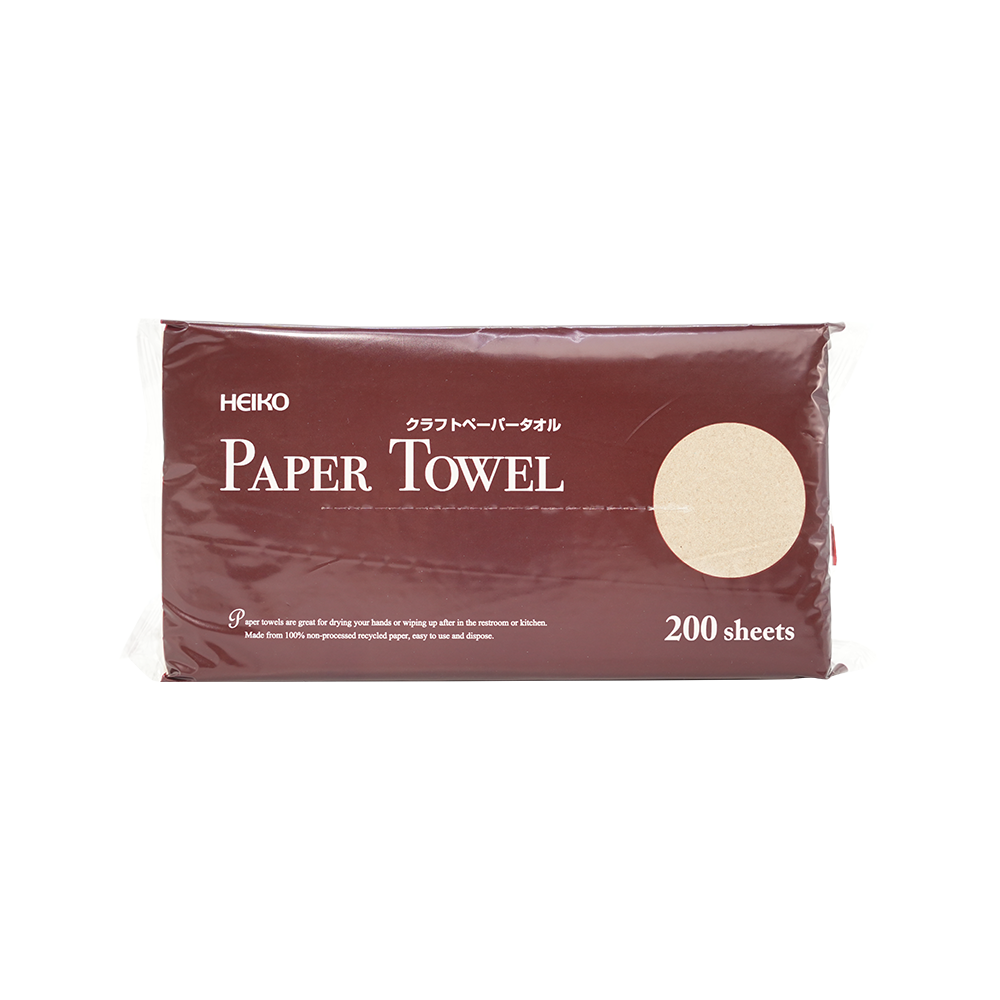
This is why an absorbent paper towel engineered for heavy liquid pickup outperforms a standard sheet at the same task. MIOV's strongly absorbent recycled natural-color towels come in two sizes — 220×170mm and 220×225mm — with the larger format designed for commercial environments where spills are bigger and drying speed matters. The natural, unbleached color signals no harsh chemical processing, which keeps the fiber structure intact and preserves absorbency.
A quick practical test: hold a sheet against a light source. Towels with visible texture and micro-embossing typically absorb faster than completely smooth ones — the raised pattern increases surface contact with liquid.
The Hygiene Case for Paper Over Cloth
Shared cloth towels accumulate bacteria every time someone uses them. A study presented to the European Tissue Symposium found that paper towels reduced total bacterial count on hands by up to 76.8%, while warm air dryers increased it by 254.5%. That's not a minor difference — it's the reason hospitals and clinics default to paper.
The right hand paper towel for restrooms and food service areas should be single-use, sufficiently absorbent to dry hands in one or two wipes, and strong enough not to shed fiber onto skin. Towels that disintegrate or leave lint create a secondary hygiene problem. Multi-fold formats are generally better for shared spaces because they dispense one sheet at a time and reduce contact contamination.
For high-traffic commercial locations — restaurants, shopping centers, office buildings — gram weight matters as much as material. Higher gram weight means greater absorbency per sheet, which reduces usage per person and lowers long-term cost. It also reduces the chance of breakage mid-use, which is the complaint that drives most facilities managers to switch suppliers.
Matching the Towel to the Task
Not every situation calls for the same product. Here's a practical breakdown:
- Hand drying in restrooms: Multi-fold format, medium to high gram weight, strong wet-strength. All-wood pulp preferred for premium feel in customer-facing areas.
- Kitchen and food prep: High absorbency is essential for oil and moisture. Larger sheet size (220×225mm and above) handles bigger spills in fewer pulls.
- General office use: Standard recycled-fiber towels at 220×170mm are cost-effective and adequate for most day-to-day needs.
- Sensitive skin or personal care: All-wood pulp with high whiteness and no recycled content reduces potential irritants, making it suitable for direct skin contact.
The one thing that cuts across all these use cases: buy from a manufacturer that specifies the gram weight, sheet dimensions, and fiber source. Vague product descriptions are a reliable indicator of inconsistent quality. Jiangsu MIOV Paper Industry, with annual output exceeding one million boxes and a production facility covering 168,000 m², publishes product specs precisely because those details determine performance.
Environmental Considerations Without the Greenwashing
Recycled-fiber towels reduce pressure on virgin wood supply — that's real. But the environmental calculation is more nuanced than "recycled = better." A low-gram recycled towel that requires three sheets per use may consume more total material than a high-gram virgin-pulp towel used once per task. Efficiency per use is the more honest metric.
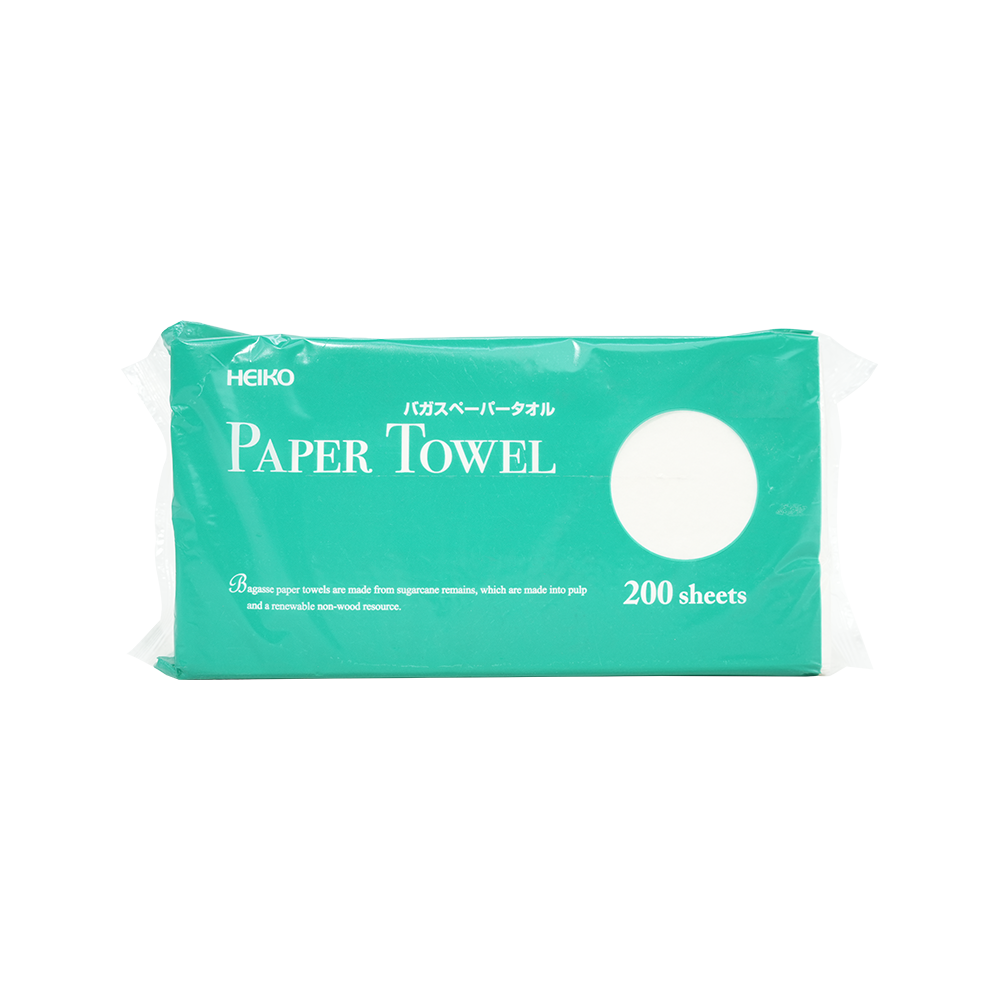
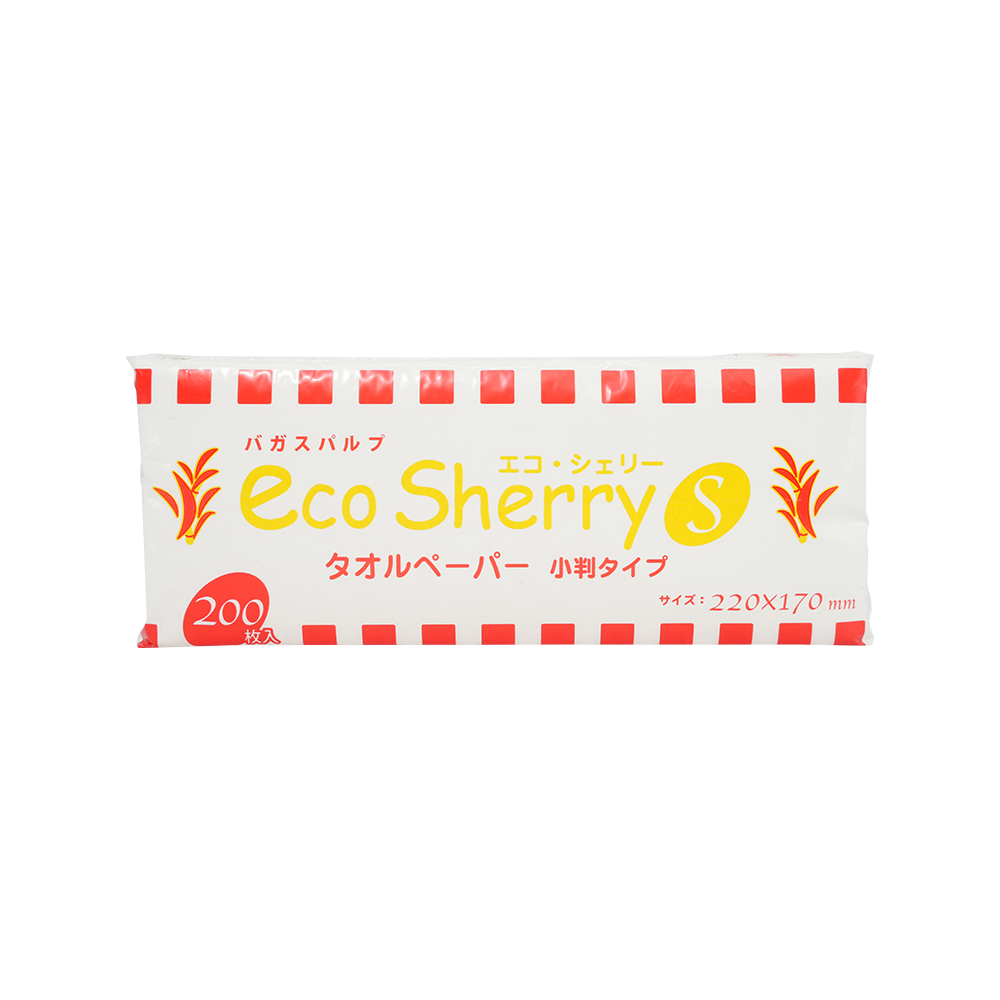
Sugarcane pulp is worth considering as a third option. Bagasse — the fibrous residue left after sugar extraction — produces pulp that is naturally biodegradable and doesn't require virgin tree harvest. MIOV's sugarcane-based product lines extend the same performance logic (absorbency, toughness) into a lower-impact raw material.
The bottom line on sustainability: choose the right towel for the job, buy the appropriate gram weight for the task, and don't over-pull. Waste in paper towels is almost always a behavior problem, not a product problem.

ADD:No. 38 Huipu Road, Baipu Town, Rugao City, Jiangsu Province
Contact us
-

Tel: +86-513-88579198 88572918
-

FAX: +86-513-88572818
-

Email: info@tojin.com.cn

Copyright © 2002 - 2024 Jiangsu MIOV Paper Industry Co., Ltd. All Rights Reserved. Recycled Paper Towel Manufacturers

