

 English
 日本語
日本語 한국어
한국어Industry News

Kitchen Tissue Roll: Uses, Types, and Buying Tips
 2026.03.06
 Industry News
Content
A kitchen tissue roll is a perforated, absorbent paper product designed for quick cleanups, food prep, and general hygiene tasks in the kitchen. The right kitchen tissue roll saves time, reduces mess, and can cut household cleaning costs when chosen wisely. This guide covers everything you need to know to pick the best option and use it efficiently.
What Makes a Good Kitchen Tissue Roll
Not all kitchen tissue rolls perform equally. Several technical properties determine how useful a roll will be in real cooking and cleaning situations.
Absorbency
Absorbency is the most critical factor. A high-quality sheet should be able to soak up spilled liquids quickly without falling apart. Tests conducted by consumer product labs show that premium kitchen rolls absorb up to 50% more liquid per sheet compared to economy options, meaning fewer sheets are needed per task.
Wet Strength
Wet strength refers to how well a sheet holds together when saturated. A sheet that disintegrates mid-wipe leaves fibres on surfaces and requires you to use more sheets. Look for rolls that maintain their structure even when fully soaked, which is especially important when wiping down counters or draining fried foods.
Sheet Size and Thickness
Standard kitchen tissue sheets measure approximately 28 cm x 28 cm, though jumbo and half-sheet formats are also available. Thicker, two-ply or three-ply rolls offer more cushioning and durability, while single-ply rolls are more economical for light tasks like wiping dry surfaces.
Types of Kitchen Tissue Rolls
Kitchen tissue rolls come in several formats, each suited to different usage patterns and kitchen environments.
| Type | Ply Count | Best For | Typical Sheet Count |
|---|---|---|---|
| Standard Roll | 2-ply | Everyday spills and drying | 60 to 100 sheets |
| Jumbo Roll | 2-ply or 3-ply | High-use kitchens, families | 120 to 200 sheets |
| Half-Sheet Roll | 2-ply | Small tasks, reducing waste | 140 to 180 half-sheets |
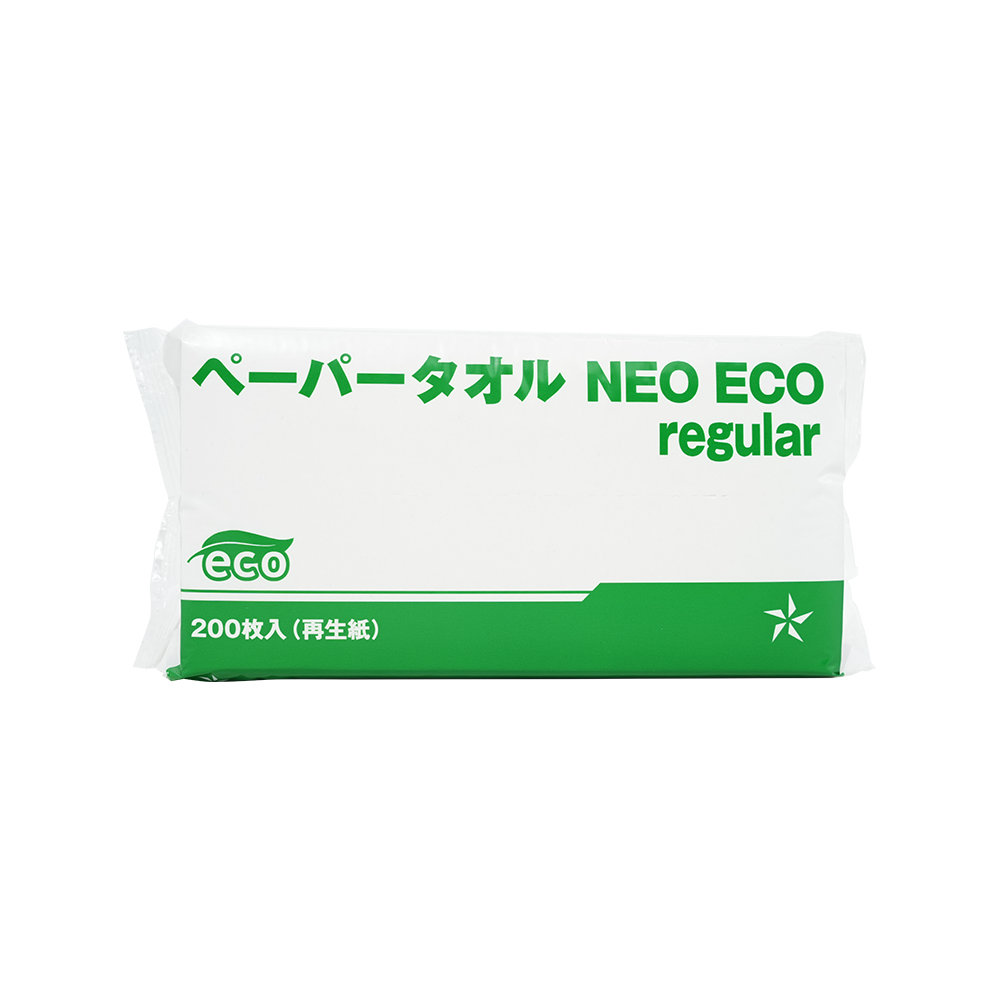
| Recycled Paper Roll | 1-ply or 2-ply | Eco-conscious households | 60 to 90 sheets |
Practical Uses of Kitchen Tissue Rolls
Kitchen tissue rolls are versatile beyond simply wiping counters. Here are the most effective applications:
- Draining fried or oily foods: Place two or three sheets on a plate before resting fried items. This can remove up to 30% of surface oil from foods like bacon or fritters.
- Lining vegetable storage: Placing a dry sheet inside a container with leafy greens absorbs excess moisture and can extend freshness by two to four days.
- Covering food in the microwave: A damp sheet placed over a dish prevents splattering while allowing steam to escape, keeping the microwave clean.
- Wiping cast iron cookware: A dry sheet is ideal for wiping residual oil into cast iron pans after seasoning, without leaving lint or fibres.
- Cleaning up raw meat spills: Using a tissue roll rather than a cloth reduces the risk of cross-contamination since the sheet is disposable.
- Polishing glassware and steel surfaces: A dry, lint-reduced sheet can buff stainless steel appliances to a streak-free finish.
How to Calculate Value Per Sheet
The sticker price of a kitchen tissue roll is rarely the true measure of value. A smarter comparison is the cost per sheet, not the cost per roll. For example, a pack of 6 rolls at a higher price point with 100 sheets per roll often works out cheaper per sheet than a budget 12-roll pack with only 50 sheets per roll.
To calculate cost per sheet:
- Find the total number of sheets in the pack (sheets per roll multiplied by number of rolls).
- Divide the total price by the total number of sheets.
- Compare this figure across different options to find the most economical choice.
A two-ply roll with 90 sheets at a cost of 0.5 cents per sheet will almost always outperform a single-ply roll at 0.4 cents per sheet, because the two-ply option completes tasks in one sheet that would require two single-ply sheets.
Tips to Reduce Kitchen Tissue Roll Waste
Household surveys suggest that the average family uses between 30 and 80 rolls of kitchen tissue per year. Reducing unnecessary use is both economical and environmentally responsible.
Use Half-Sheets When Possible
Many rolls now feature half-sheet perforations. Using a half-sheet for small or dry tasks can effectively double the lifespan of each roll without any reduction in utility.
Reserve Reusable Cloths for Non-Contaminated Surfaces
Using kitchen tissue rolls only for contamination-risk tasks, such as raw meat or bathroom-adjacent spills, and using washable cloths for general countertop wiping can reduce annual roll consumption by 30 to 40 percent in a typical home.
Store Rolls in a Dry Location
Humidity weakens the structural integrity of paper fibres over time. Rolls stored near the sink or stove may degrade faster, leading to sheets that tear unevenly and require doubling up. Storing rolls in a cupboard or enclosed holder extends their effective usable life.
Environmental Considerations
Standard kitchen tissue rolls are made from virgin wood pulp, which contributes to deforestation when sourced irresponsibly. Rolls certified by recognised forestry bodies use pulp from sustainably managed forests, ensuring that trees removed are replaced at an equivalent rate.
Recycled-content rolls are another option. These are produced using post-consumer waste paper and require significantly less water and energy to manufacture. However, they tend to be slightly less soft and absorbent than virgin-pulp rolls, making them better suited to dry or light-duty tasks.
Bamboo-based kitchen rolls have also grown in popularity. Bamboo grows considerably faster than hardwood trees, making it a more renewable raw material. Rolls made from bamboo fibres are typically strong, absorbent, and compostable, though they are usually priced higher than conventional options.
Choosing the Right Roll for Your Kitchen
The ideal kitchen tissue roll depends on how your kitchen is used. Consider the following before buying:
- High-volume cooking households benefit most from jumbo rolls with a high sheet count and strong wet strength to handle frequent spills.
- Small households or light users may prefer standard rolls with half-sheet perforations to avoid unnecessary waste.
- Eco-conscious users should look for recycled content or bamboo options with relevant sustainability certifications.
- Those prioritising hygiene, such as households with young children or pets, should choose sheets with high wet strength and confirmed food-safe dye-free paper.
A two-ply, high-absorbency roll with at least 80 sheets per roll represents the best all-round choice for most kitchens, offering durability, value, and versatility across the full range of everyday tasks.


ADD:No. 38 Huipu Road, Baipu Town, Rugao City, Jiangsu Province
Contact us
-

Tel: +86-513-88579198 88572918
-

FAX: +86-513-88572818
-

Email: info@tojin.com.cn

Copyright © 2002 - 2024 Jiangsu MIOV Paper Industry Co., Ltd. All Rights Reserved. Recycled Paper Towel Manufacturers

