

 English
 日本語
日本語 한국어
한국어Industry News

Top 10 Uses for Absorbent Kitchen Paper You Never Thought Of
 2026.04.23
 Industry News
Content
- 1 1. Keep Salad Greens Fresh for Days
- 2 2. De-grease Fried Food Without a Rack
- 3 3. Microwave Splatter Shield
- 4 4. Emergency Coffee Filter
- 5 5. Preserve Fresh Herbs for Weeks
- 6 6. DIY Shoe Deodorizer
- 7 7. Streak-Free Glass and Mirror Cleaning
- 8 8. Ripen Avocados and Bananas Faster
- 9 9. Cast Iron Pre-Season and Storage Layer
- 10 10. Natural Air Freshener Base
- 11 What Makes These Uses Work: Absorbency and Fiber Strength
Most people reach for a sheet of kitchen paper to wipe a spill and throw it away. That's fine — but it's barely scratching the surface. Absorbent kitchen paper is one of the most underrated multi-tools in any home. Here are 10 uses that will change how you look at it.
1. Keep Salad Greens Fresh for Days
Line the bottom of your salad container or vegetable drawer with a sheet of kitchen paper before adding washed greens. The paper absorbs excess moisture that causes wilting and bacterial growth. Greens stored this way can stay crisp for up to 5–7 days longer than in a bare container.
2. De-grease Fried Food Without a Rack
No wire rack? No problem. Stack two or three sheets on a plate and place fried food on top immediately after cooking. High-absorbency kitchen paper pulls surface oil away fast, reducing the grease load on your meal without letting food steam itself soggy on the bottom.
3. Microwave Splatter Shield
Dampen a single sheet and drape it loosely over a bowl before microwaving. It traps splatters from sauces and soups without trapping steam — so your food heats evenly and your microwave stays clean. Far more effective than a paper plate.
4. Emergency Coffee Filter
Out of filters? Fold a sheet of absorbent kitchen paper into a cone, place it in the dripper, add grounds, and pour slowly. The paper's fiber structure is porous enough to let water through at the right rate. It won't win a taste test against a proper filter, but it works in a pinch.
5. Preserve Fresh Herbs for Weeks
Lightly moisten a sheet, wrap soft herbs like cilantro, parsley, or basil loosely inside, and refrigerate in a zip-lock bag. The paper maintains just enough humidity to prevent dehydration without creating the wet environment that causes rot. Most herbs wrapped this way last 2–3 times longer than unwrapped.
6. DIY Shoe Deodorizer
Crumple a few sheets and stuff them into shoes overnight. Kitchen paper absorbs the moisture that bacteria feed on — the real source of odor. For extra effect, add a few drops of tea tree oil before inserting. Replace every few days for best results.
7. Streak-Free Glass and Mirror Cleaning
Lint-free and non-abrasive, kitchen paper paired with a small amount of diluted white vinegar or glass cleaner gives a streak-free finish on mirrors, windows, and stainless steel surfaces. Unlike cloth towels, it won't leave fibers or redistribute grime.
8. Ripen Avocados and Bananas Faster
Wrap unripe avocados or bananas loosely in kitchen paper and leave them at room temperature. The paper helps trap ethylene gas — the natural ripening agent — close to the fruit without causing condensation. Avocados ripen noticeably faster compared to unwrapped fruit left on the counter.
9. Cast Iron Pre-Season and Storage Layer
After washing and drying cast iron cookware, rub a thin layer of oil across the surface with a folded sheet of kitchen paper, then place another sheet between the pan and its lid before storing. This prevents moisture from settling in and stops rust from forming between uses.
10. Natural Air Freshener Base
Saturate a sheet or a whole roll with a few drops of your preferred essential oil — eucalyptus, lavender, or citrus — and place it in a drawer, shoe cabinet, or inside your car's air vent area. The porous structure of quality kitchen paper absorbs and slowly releases the scent, acting as a passive diffuser that lasts days without any device required.
What Makes These Uses Work: Absorbency and Fiber Strength
All of the above rely on two core properties: high liquid absorption capacity and structural integrity when wet. Thin, low-ply kitchen paper falls apart under real use. A well-made 2-ply sheet with embossed texture holds its shape whether it's wrapping herbs, lining a pan, or soaking up cooking oil.
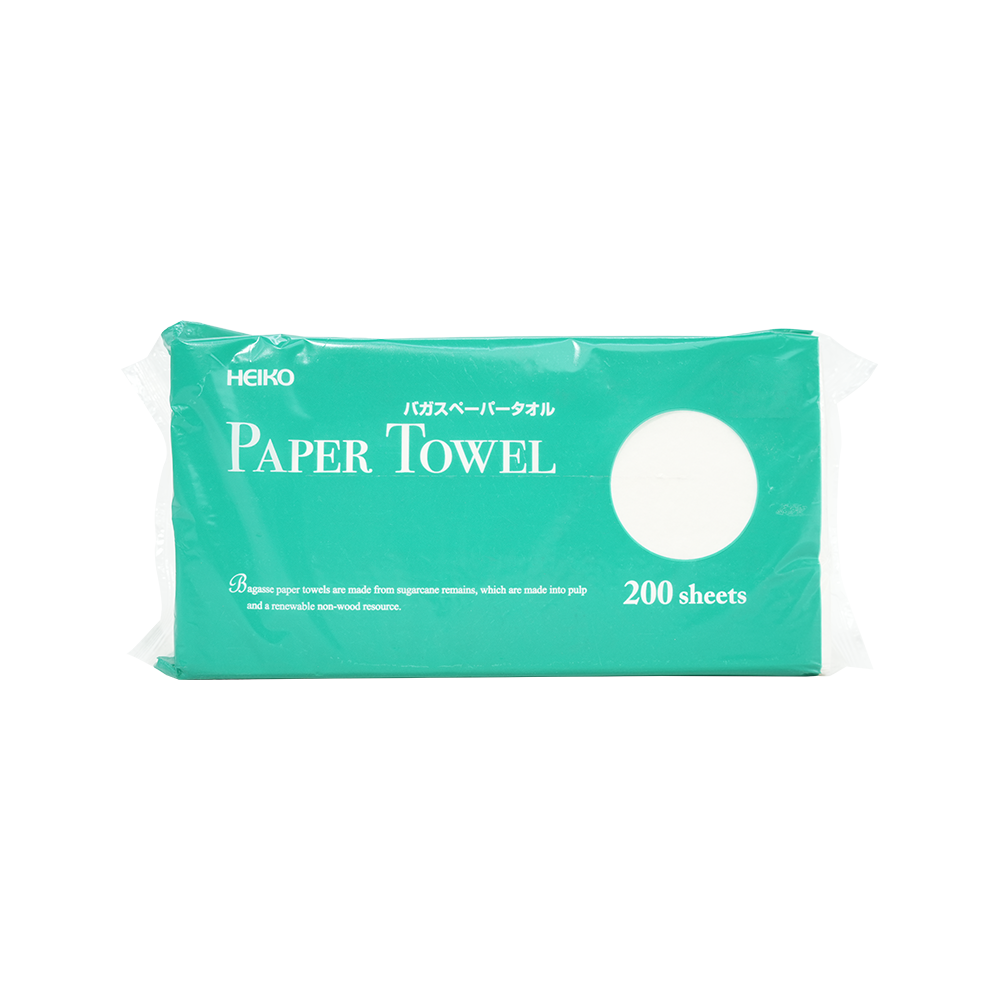
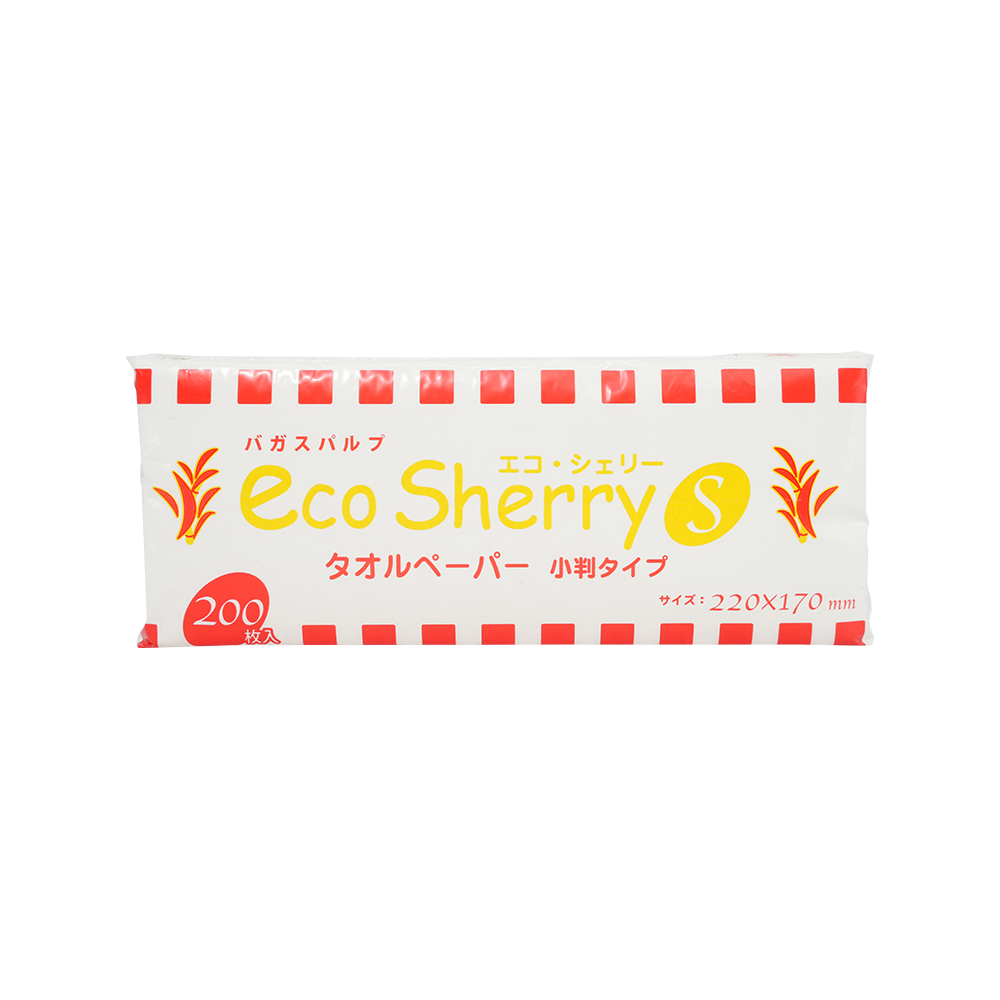
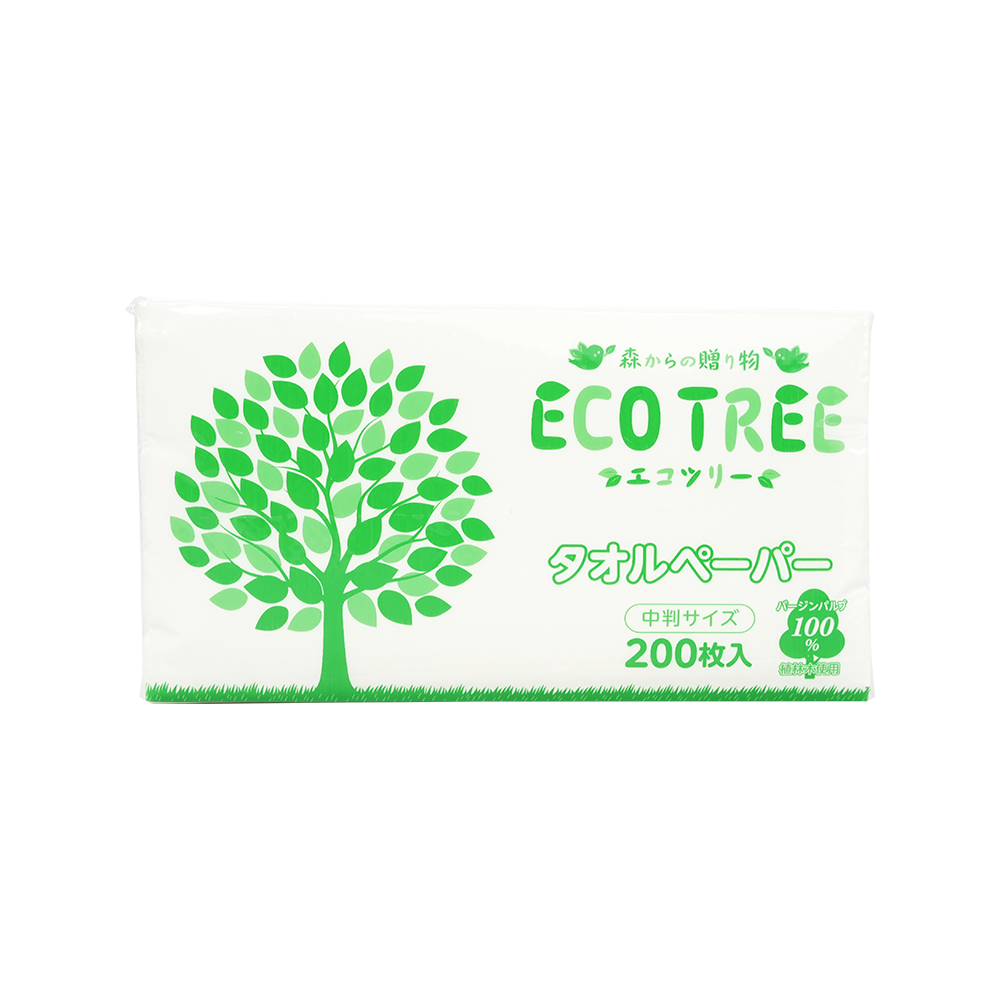
If you're sourcing kitchen paper for household or commercial use, the fiber composition matters. Sugarcane pulp and wood pulp variants each offer different balances of softness and durability — explore the full range in our kitchen paper product line, or browse our broader selection of paper towels for other absorbency needs.

ADD:No. 38 Huipu Road, Baipu Town, Rugao City, Jiangsu Province
Contact us
-

Tel: +86-513-88579198 88572918
-

FAX: +86-513-88572818
-

Email: info@tojin.com.cn

Copyright © 2002 - 2024 Jiangsu MIOV Paper Co., Ltd. All Rights Reserved. Recycled Paper Towel Manufacturers

