

 English
 日本語
日本語 한국어
한국어Industry News

What Are the Different Types of Kitchen Paper? A Complete Guide
 2026.03.25
 Industry News
Content
Kitchen Paper at a Glance: More Variety Than You Think
Kitchen paper is not a single product — it is a category that spans several distinct formats, each engineered for a specific range of tasks. The most common types include paper towels (kitchen roll), paper napkins, parchment paper (baking paper), wax paper, butcher paper, and greaseproof paper. Understanding how these differ in material construction, absorbency, and heat resistance helps buyers and specifiers choose the right product for every application.
Paper Towels and Kitchen Roll
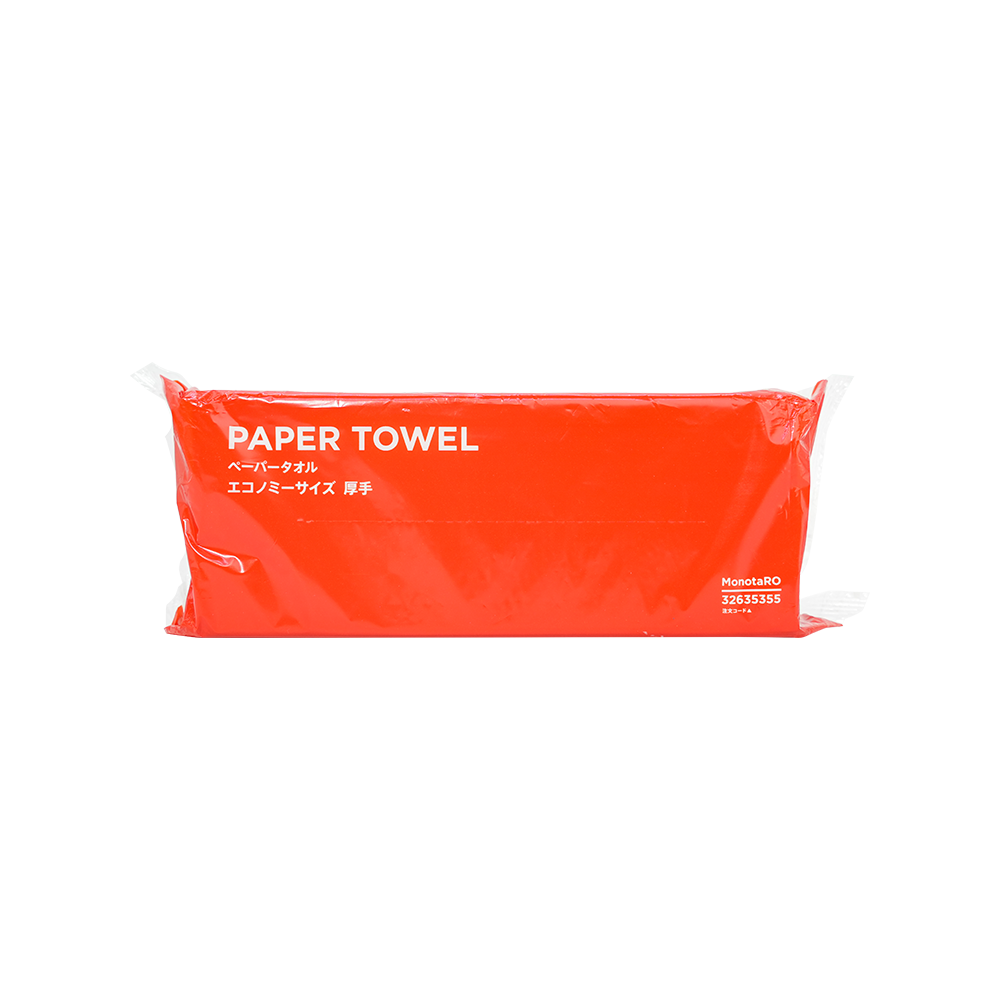
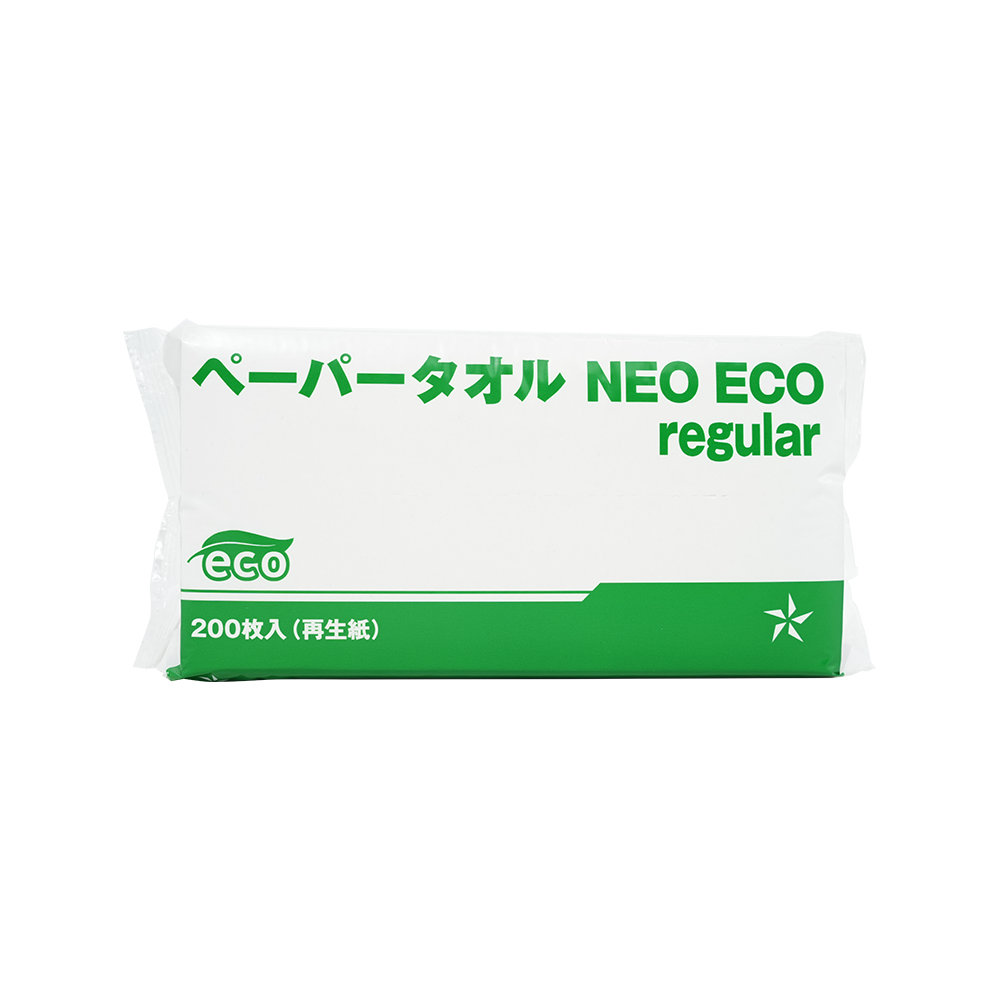
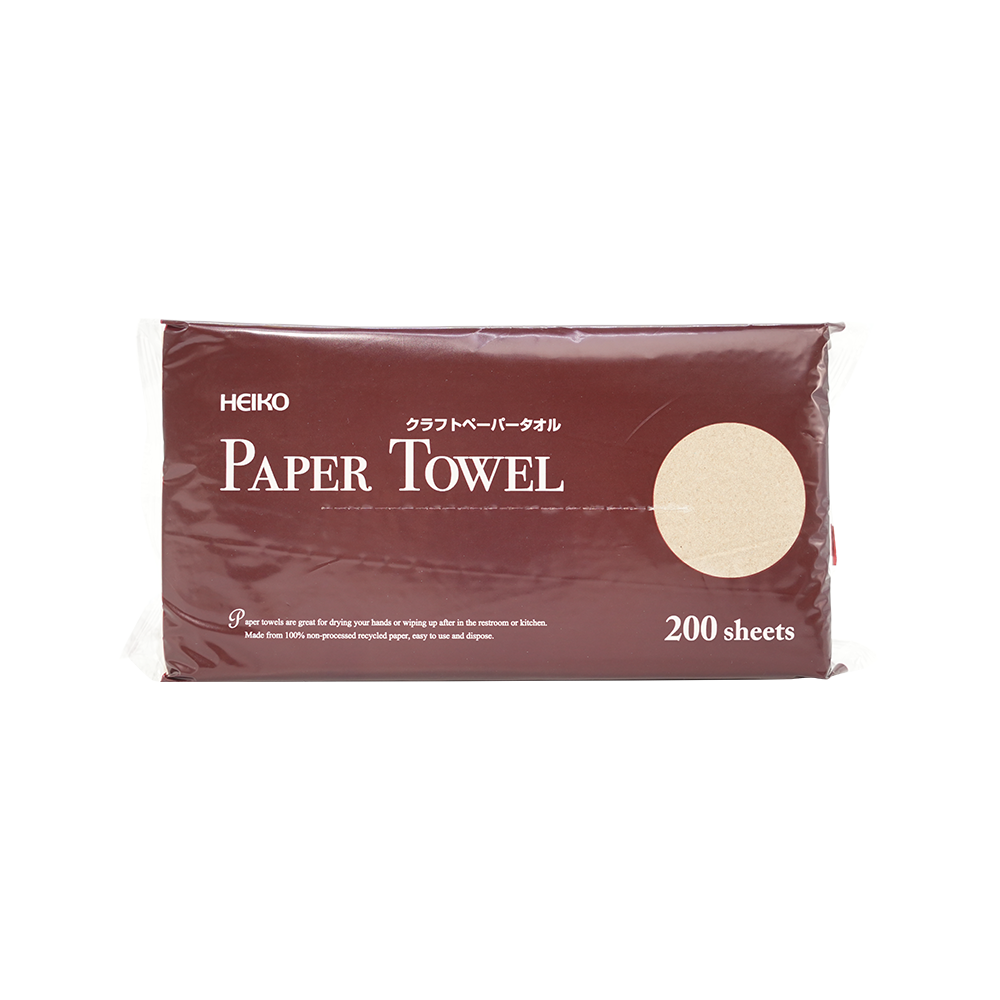
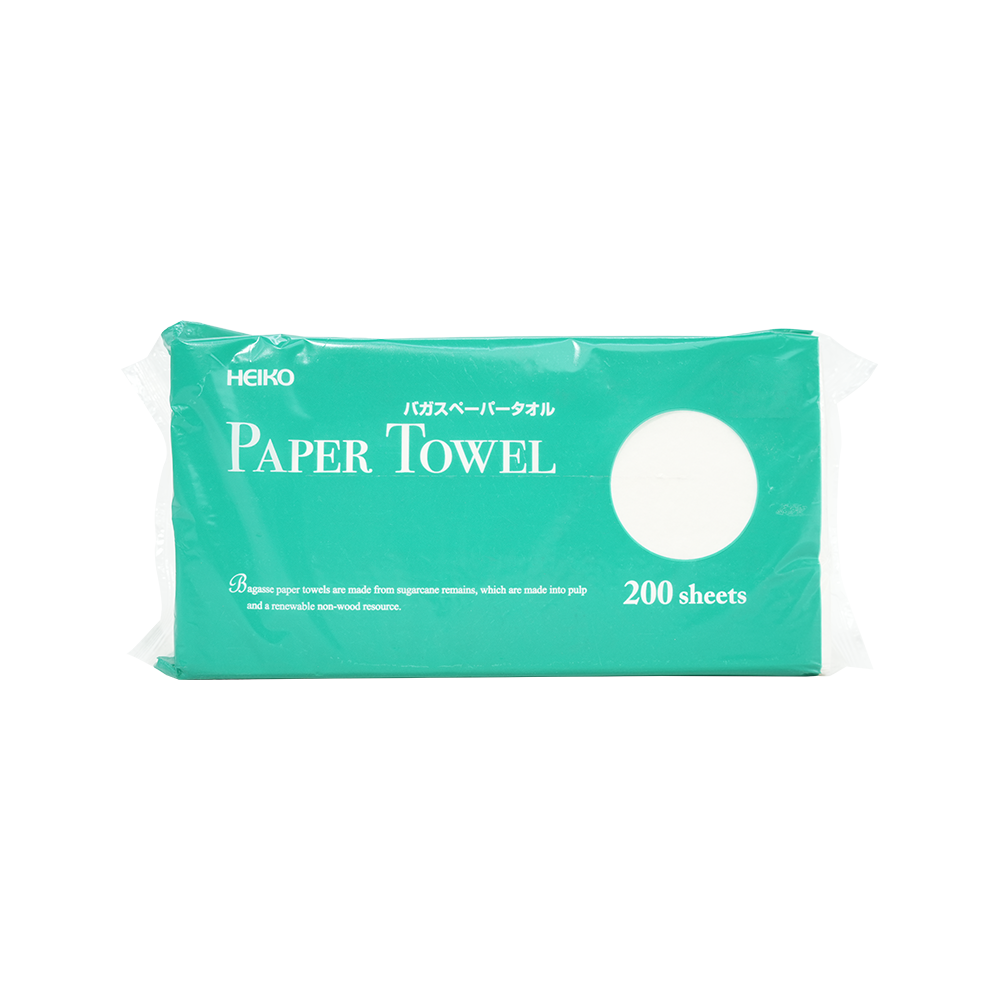
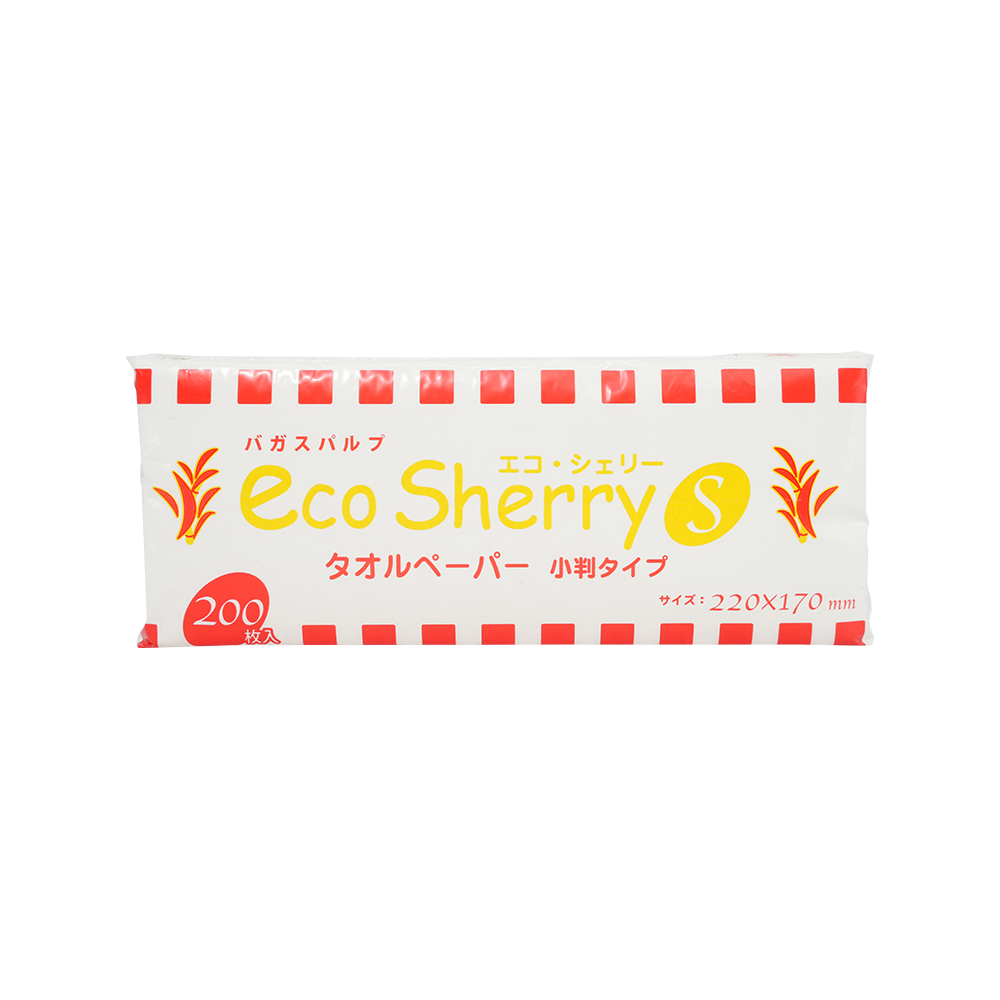
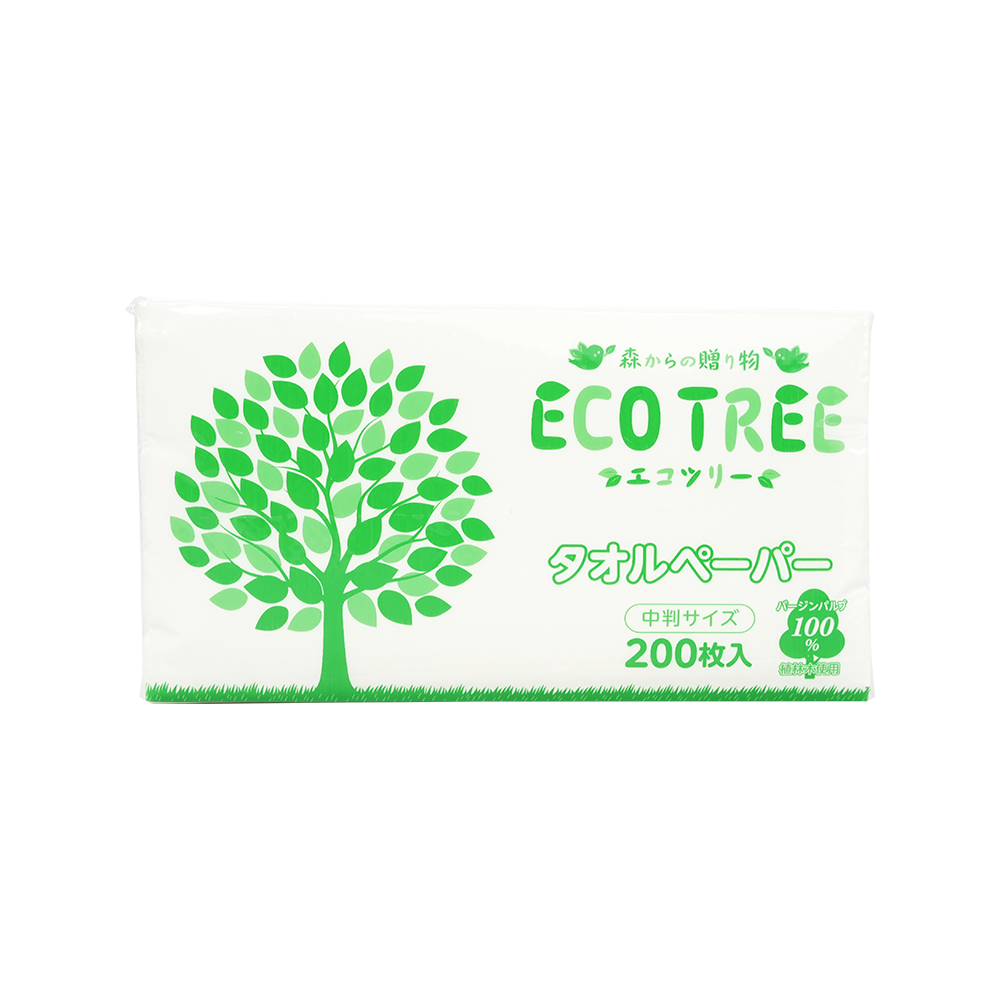
Paper towels — sold in roll or folded sheet form — are the workhorse of the kitchen. They are produced from virgin or recycled cellulose fibers that are creped or embossed to create a high surface area, which drives their characteristic absorbency. A standard two-ply kitchen roll can absorb roughly 10–15 times its own weight in liquid, making it effective for wiping spills, draining fried food, and general surface cleaning.
Within this category there are notable sub-types:
- Standard kitchen roll — single or double ply, suitable for everyday spills and drying hands.
- Heavy-duty or "select-a-size" towels — thicker construction with higher wet strength for scrubbing and tougher clean-up tasks.
- Bamboo-fiber kitchen paper — an increasingly popular alternative that offers comparable absorbency with a lower environmental footprint per sheet.
- Reusable paper towels — made from thicker, washable cellulose or cotton-cellulose blends, designed to replace 20–100 single-use sheets before disposal.
Parchment Paper (Baking Paper)
Parchment paper is a cellulose-based sheet that has been treated with sulfuric acid (a process called vegetable parchmentizing) and coated with silicone on one or both sides. This treatment gives it three critical properties: non-stick surface, grease resistance, and heat tolerance typically up to 220–230 °C (430–445 °F), with some premium grades rated to 260 °C.
It is the standard liner for baking sheets, cake tins, and steaming parcels (en papillote). Because the silicone coating is inert and food-safe, it does not transfer flavors or chemicals at normal baking temperatures. Bleached parchment has a bright white appearance, while unbleached (natural) parchment is brown and avoids the chlorine-based bleaching process.
Wax Paper
Wax paper is coated with paraffin wax on both sides, giving it moisture resistance and a slippery surface useful for food wrapping and pastry work. Its critical limitation is low heat tolerance — the wax coating melts and can smoke at oven temperatures, making it unsuitable for baking. It is, however, safe for microwave use in short bursts where steam rather than dry heat is generated.
Common applications include wrapping sandwiches, separating burger patties for freezer storage, rolling out dough without sticking, and lining countertops when tempering chocolate.
Greaseproof Paper
Greaseproof paper is produced by prolonged beating of cellulose pulp until the fibers are highly hydrated and densely bonded — a process that closes the pores and creates an inherent grease barrier without any coating. This makes it fundamentally different from parchment (coated) and wax paper (wax-coated).
Because it lacks a silicone or wax layer, greaseproof paper is not non-stick, but it is breathable and can be used to wrap baked goods, line deli counters, and interleave cheese or cold cuts. It is also widely used in food service for basket liners and burger wrapping because the grease resistance keeps packaging presentable. Heat tolerance is moderate — it can withstand brief oven exposure but is not designed for sustained high-temperature baking.
Butcher Paper and Freezer Paper
Butcher paper is an uncoated or minimally treated kraft paper, usually pink or white, originally designed for wrapping raw meat. It is breathable, which helps meat retain surface moisture without becoming soggy — a property increasingly exploited in the BBQ community for the "Texas Crutch" smoking method, where brisket is wrapped mid-cook to retain heat while allowing some steam to escape.
Freezer paper is closely related but has a polyethylene coating on one side that provides a moisture barrier, making it ideal for long-term freezer storage. The plastic-coated side faces the food; the uncoated side can be labeled with a marker. It is not suitable for oven use.
| Type | Primary Use | Oven Safe | Non-Stick | Grease Resistant |
|---|---|---|---|---|
| Paper Towel | Absorbing spills, drying | Limited | No | No |
| Parchment Paper | Baking, roasting | Yes (up to ~230 °C) | Yes | Yes |
| Wax Paper | Wrapping, prep surface | No | Yes | Yes |
| Greaseproof Paper | Food wrapping, deli use | Partial | No | Yes |
| Butcher Paper | Meat wrapping, BBQ | Yes (indirect heat) | No | Partial |
| Freezer Paper | Long-term freezer storage | No | No | Yes (coated side) |
Paper Napkins and Tissue
Paper napkins occupy a distinct niche from kitchen roll. They are typically softer, lower in wet strength, and manufactured in folded formats (1/4 fold, 1/8 fold, dispenser-ready) for table service and food-contact use. Ply count ranges from one to three; three-ply napkins are standard in upscale food service for their thickness and drape.
Paper hand towels (C-fold, Z-fold, multifold) are a related product used in commercial and institutional settings. Though not strictly "kitchen paper," they are manufactured on the same tissue-converting machinery and follow the same fiber and absorbency principles.
How to Choose the Right Kitchen Paper
Matching the paper type to the task prevents waste and avoids hazards (such as using wax paper in a hot oven). A simple framework:
- Heat involved? Use parchment paper for oven temperatures above 120 °C. Avoid wax paper in any direct-heat application.
- Need non-stick? Parchment paper or wax paper (cold use only) are the correct choices; greaseproof paper will not release baked goods cleanly.
- Wrapping raw protein? Butcher paper for short-term; freezer paper for storage beyond a few days.
- Absorbing liquids? Kitchen roll outperforms every other type in absorbency per sheet.
- Sustainability priority? Bamboo-fiber or reusable paper towels reduce per-use material consumption significantly.
The global kitchen paper market is projected to exceed USD 28 billion by 2030, driven by hygiene awareness and food service expansion. As sustainability regulations tighten across Europe and North America, demand for unbleached, chlorine-free, and compostable grades of all kitchen paper types is growing — making product specification decisions increasingly important for both procurement teams and end consumers.

ADD:No. 38 Huipu Road, Baipu Town, Rugao City, Jiangsu Province
Contact us
-

Tel: +86-513-88579198 88572918
-

FAX: +86-513-88572818
-

Email: info@tojin.com.cn

Copyright © 2002 - 2024 Jiangsu MIOV Paper Industry Co., Ltd. All Rights Reserved. Recycled Paper Towel Manufacturers

