
 English
 日本語
日本語 한국어
한국어


The Core Distinction: Purpose By Design
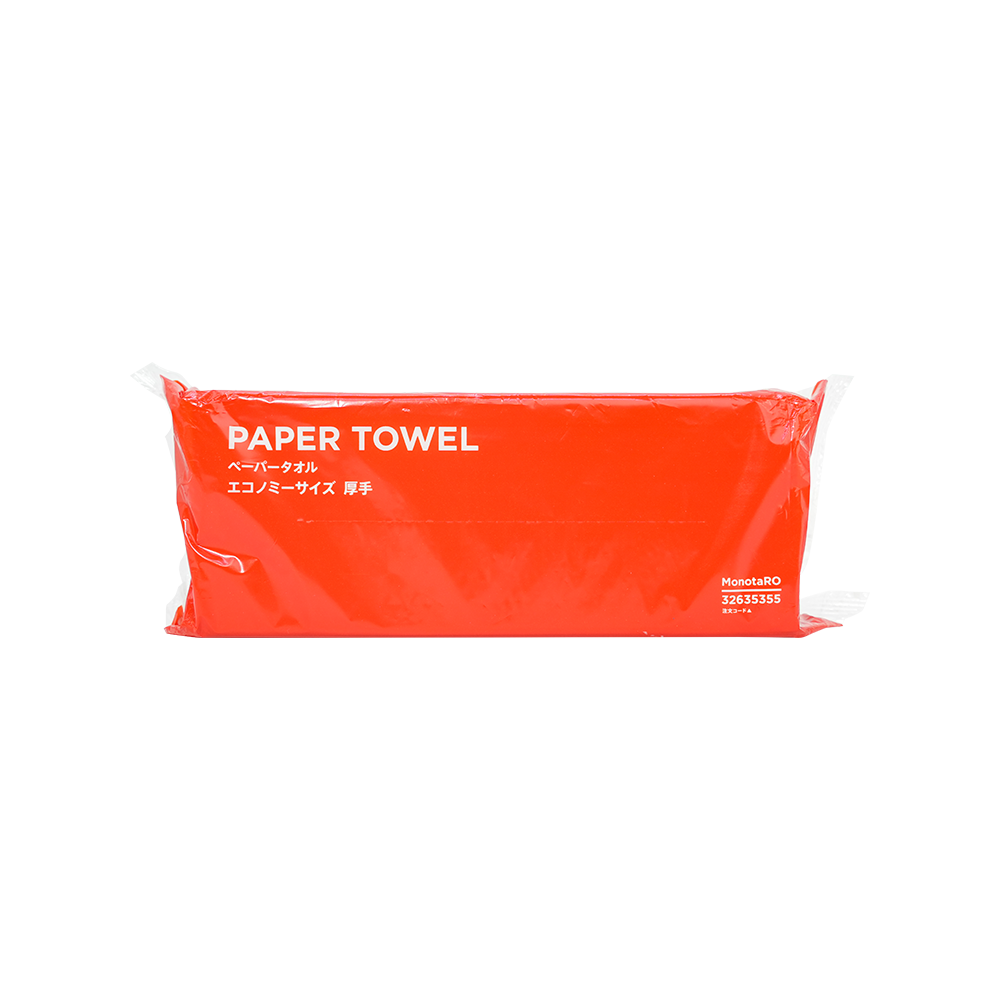
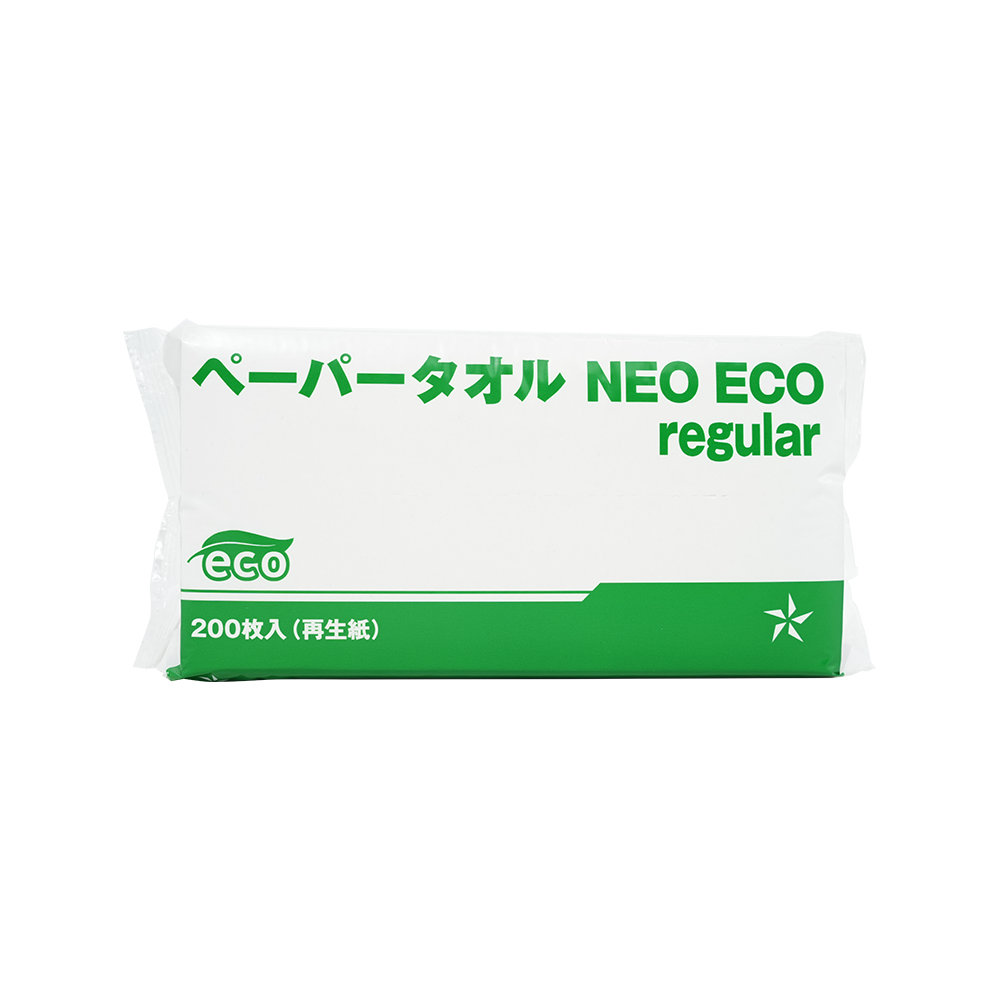
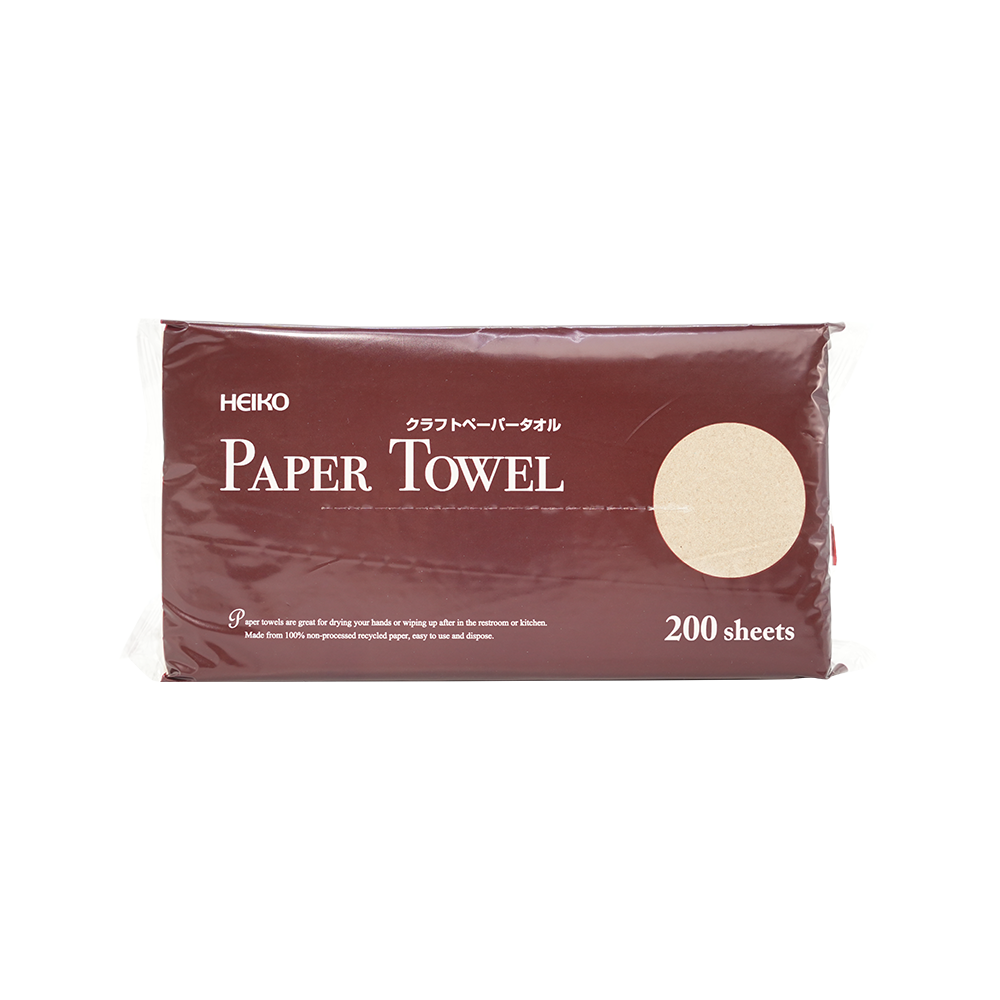
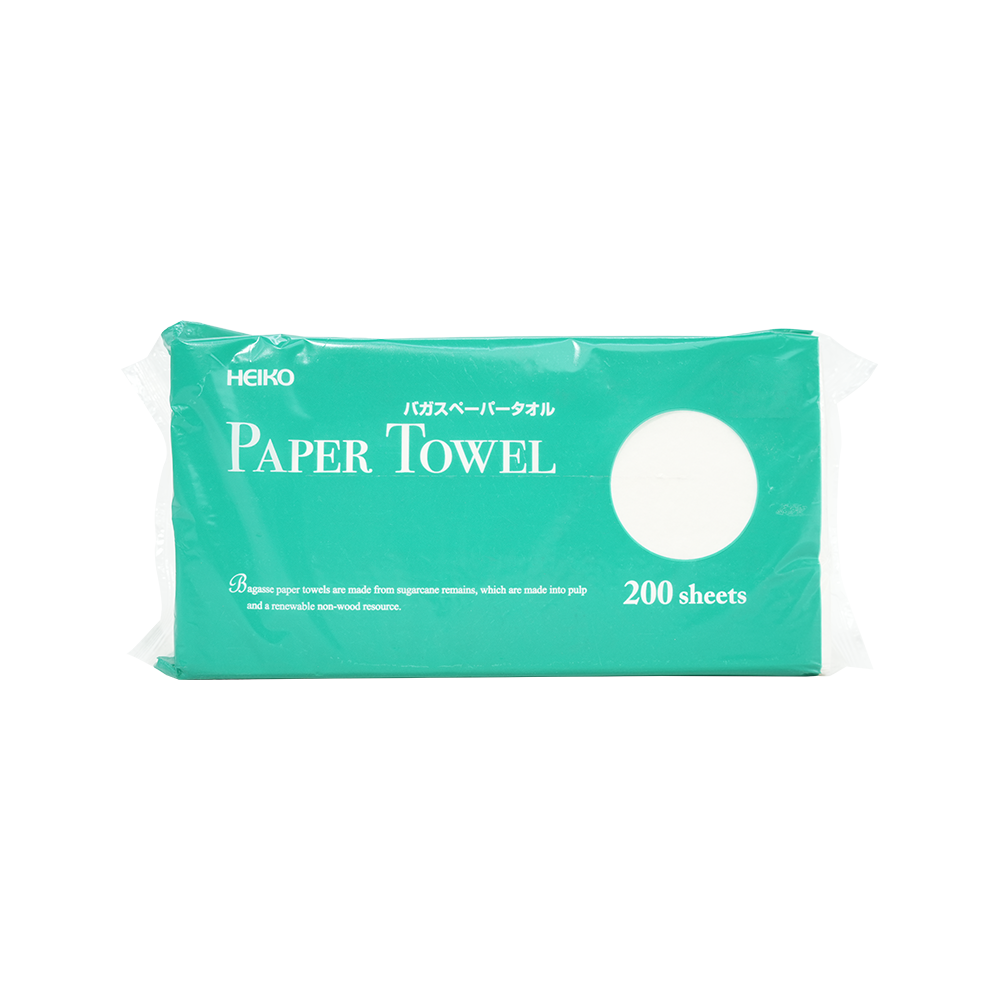
While both kitchen tissue roll and paper towels are essential absorbent paper products, their fundamental design philosophies cater to different primary tasks. Kitchen tissue, often called kitchen roll, is engineered primarily for food-safe absorption and gentle wiping. Its composition is designed to be strong when damp and relatively low-lint, making it suitable for tasks like blotting moisture from fresh produce, patting meat dry, or wiping hands while cooking. Paper towels, conversely, are engineered as a cleaning and disposable wiping tool. They prioritize high absorbency for spills, scrubbing strength for surfaces, and often come in select-a-size sheets for task-specific use. The key difference lies in intended contact: kitchen tissue is for direct food contact and personal use during food prep, while paper towels are for surfaces and significant mess cleanup.
Material and Manufacturing: Subtle Yet Significant Differences
The manufacturing processes for these two products create distinct physical properties. Both are typically made from virgin wood pulp or recycled fiber, but the pulp blend, creping process, and embossing differ.
Pulp and Strength Treatment
Kitchen tissue often uses a softer, less densely bonded pulp to maintain a pliable, cloth-like feel. It is treated for wet strength to prevent disintegration when damp, but not to the extreme of a sopping-wet paper towel. Paper towels are manufactured with a focus on tensile strength, using longer fibers and tighter bonding. They are heavily embossed (with quilted patterns) not just for aesthetics but to increase surface area, improve absorbency, and add scrubby texture without requiring harsh chemicals.
The Role of Embossing
Embossing on a kitchen tissue roll is often lighter, serving mainly for sheet definition and a soft texture. On paper towels, deep embossing is a critical performance feature, creating pockets that hold liquid and adding friction for scrubbing power.
Functional Face-Off: When to Use Which
Choosing the wrong product can lead to frustration, wasted sheets, or even compromised results in the kitchen. This practical breakdown clarifies their optimal uses.
Kitchen Tissue Roll is Best For:
- Blotting excess oil from fried foods to achieve crispiness.
- Gently drying washed lettuce, herbs, and berries to extend freshness.
- Pressing tofu or drawing moisture from proteins before cooking.
- Wiping hands and faces during meal preparation and eating.
- Covering food in the microwave to prevent splatters.
- Creating a temporary lining for draining or presenting food.
Paper Towels are Best For:
- Cleaning up major liquid spills (juice, milk, water) from countertops and floors.
- Wiping down kitchen surfaces, appliances, and sinks with cleaning agents.
- Scrubbing stuck-on grime from stovetops or pans (when used wet).
- Handling greasy automotive or hardware messes.
- Cleaning windows and mirrors with glass cleaner (low-lint varieties preferred).
- Draining bacon or other very greasy foods (though a rack is better).

Key Performance Characteristics Compared
The table below provides a direct, at-a-glance comparison of the defining attributes of each product, highlighting why they are not perfect substitutes.
| Characteristic | Kitchen Tissue Roll | Paper Towels |
| Primary Absorbency | Moderate, controlled absorption | High, rapid absorption |
| Wet Strength | Good; holds together when damp | Excellent; designed to hold together when soaked and scrubbing |
| Lint Factor | Low-lint; won't leave fibers on food or glass | Variable; can shed fibers, especially when wet |
| Texture & Embossing | Generally smoother, softer, lighter embossing | Pronounced, quilted embossing for scrubbing |
| Sheet Size & Options | Typically full, large sheets on a roll | Often available in "select-a-size" half sheets |
| Food Contact Safety | Designed and bleached for safe, direct food contact | Safe, but not optimized for direct food absorption (may contain bonding agents) |
Sustainability and Cost Considerations
From an environmental and budgetary standpoint, the choice matters. Kitchen tissue, used for gentler tasks, often allows for using fewer sheets per job due to its larger, perforated sheets. Its softer texture can also mean it is less effective on tough cleaning jobs, leading to potential waste if misused. Paper towels, while highly effective for their purpose, are frequently overused due to their convenience and strength. Opting for recycled-content versions of either product, choosing paper towels with half-sheet dispensers to reduce consumption, and being mindful to use cloth towels for drying hands and wiping surfaces can significantly reduce the environmental footprint and ongoing cost of both products. Understanding their differences is the first step toward efficient and sustainable use.
The Final Verdict: Complementary, Not Interchangeable
An efficient kitchen likely contains both products. They are specialized tools. Reaching for a kitchen tissue roll for food-related absorption ensures safety, optimal results, and a soft touch. Grabbing a paper towel for cleaning counters, absorbing large spills, or tackling greasy messes leverages its strength and scrubbing power. Using them according to their design not only yields better practical outcomes but can also lead to less waste and more cost-effective consumption. Knowing the difference transforms them from generic "paper products" into precise instruments for a cleaner, more functional kitchen.