

 English
 日本語
日本語 한국어
한국어Industry News

Kitchen Paper Towels: Your Guide to Materials, Absorbency & Strength
 2026.07.17
 Industry News
Content
A single sheet of kitchen paper towel should do more than just wipe — it needs to lift grease, hold together when wet, and not fall apart mid-task. The right choice turns a messy countertop cleanup into a two-second job. The wrong one leaves behind lint, tears, or a soggy mess. This article walks you through the factors that separate reliable kitchen paper towels from the rest, from raw material to sheet count and roll format.
What Sets a Kitchen Paper Towel Apart
Kitchen paper towels are built differently from bathroom tissue or facial tissues. They carry a higher wet strength, greater absorbency, and more substantial sheet size. The key performance metrics — how much liquid a sheet holds before dripping and how much force it takes to tear — define whether the product works for cooking, wiping spills, or scrubbing.
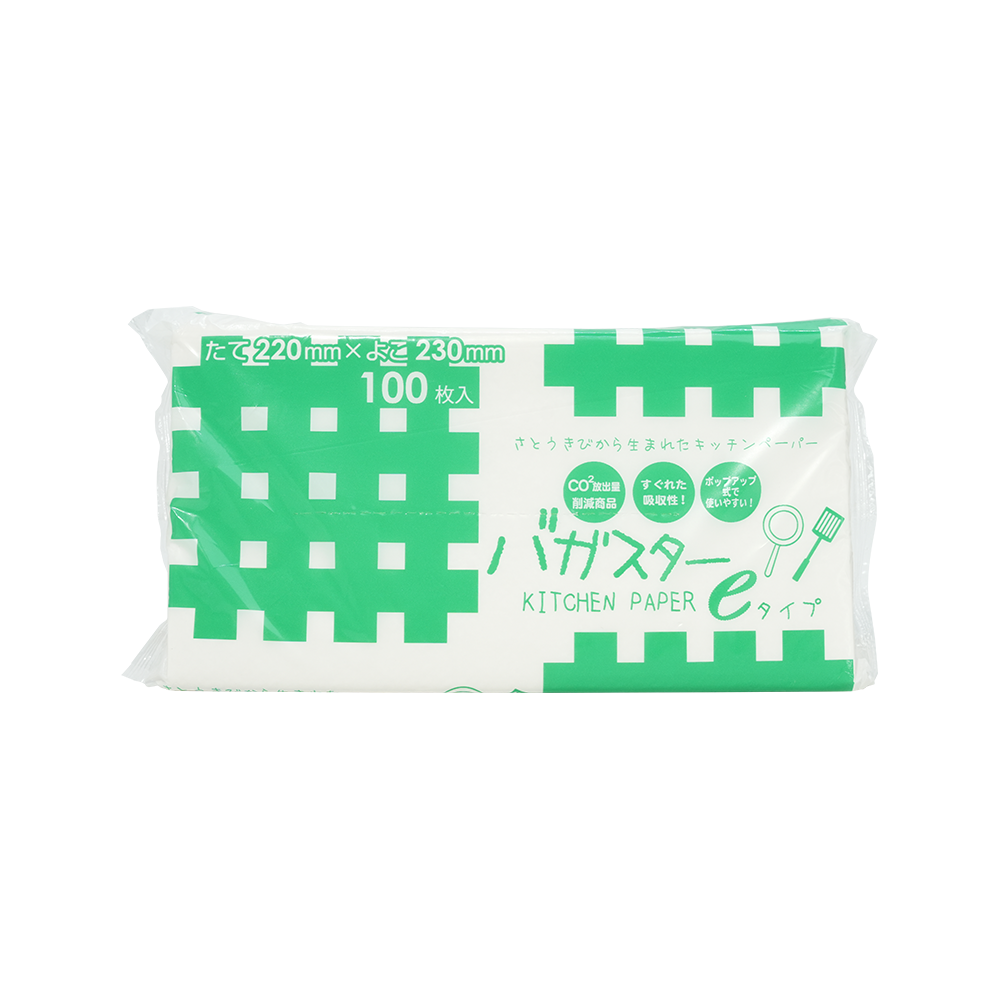
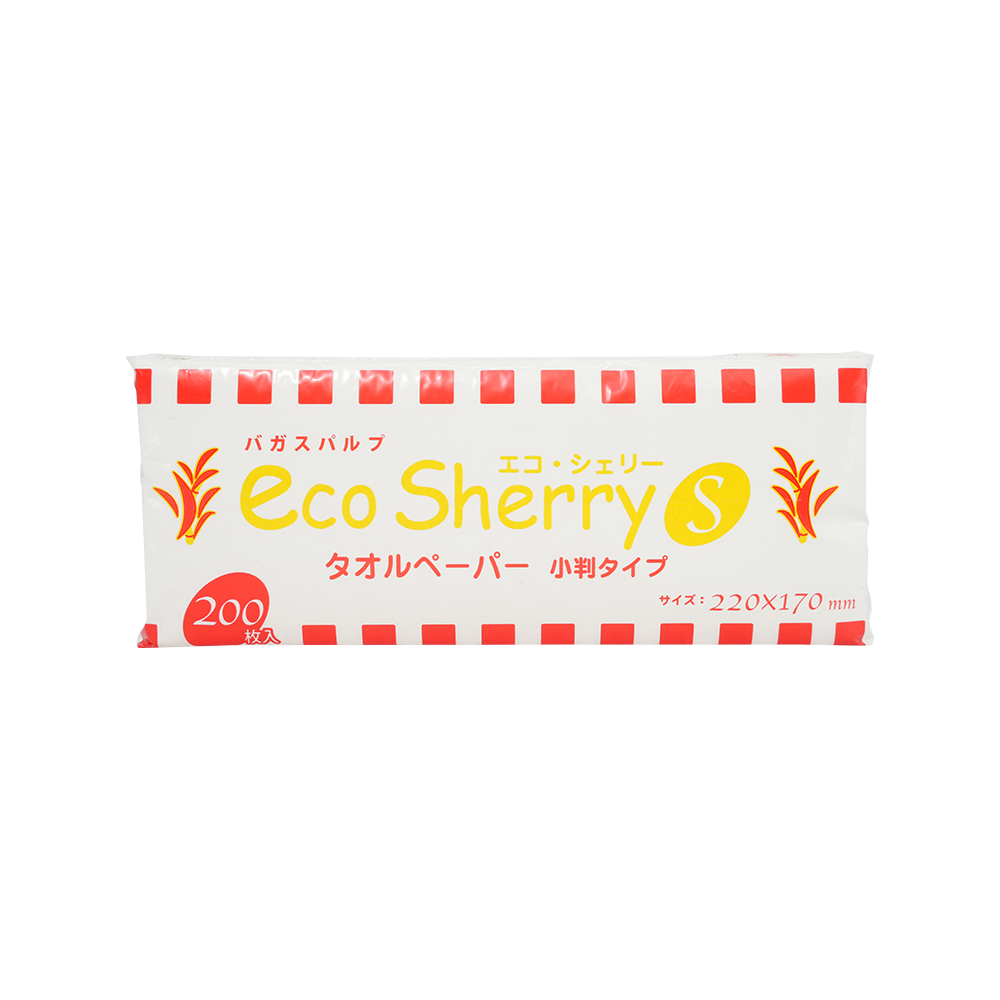
The raw material is the starting point. Virgin wood pulp delivers predictable softness and strength. Recycled fiber introduces sustainability at a slight trade-off in brightness. Sugarcane pulp kitchen paper has gained ground for its rapid absorbency and high wet burst resistance. Understanding these inputs helps you match the towel to the task.
Material Breakdown and Performance
Three materials dominate the category. Each brings a distinct profile you should weigh against your cleaning habits.
| Material | Absorbency | Wet Strength | Environmental Note |
|---|---|---|---|
| Virgin wood pulp | High | High | Forest-sourced; FSC certification matters |
| Recycled paper | Medium | Medium | Lower carbon footprint, post-consumer content |
| Sugarcane (bagasse) pulp | Very High | High | Agricultural by-product; rapidly renewable |
Sugarcane pulp kitchen paper often absorbs oils and water 20–30% faster than comparable recycled sheets in side-by-side testing. This makes strong, oil-absorbent options a practical pick for frying or greasy cookware. Virgin wood pulp remains the standard for multi-purpose use, while recycled grades work well for dry wiping and light moisture.
Ply, Grammage, and Sheet Dimensions
Manufacturers describe thickness in plies. A 1‑ply sheet is thinner and works for single-use tasks; 2‑ply sheets combine absorbency with less tearing. Some commercial rolls go to 3‑ply for extreme durability. Grammage — the weight of paper per square meter — is the industrial truth behind “thick” claims. 22–26 grams per square meter (gsm) is typical for everyday kitchen towels, while 30–40 gsm points to heavy-duty products that can scrub without disintegrating.
Sheet size also varies. Standard perforated sheets run 22×22 cm or 23×23 cm, but large-format options exist. Multi-size kitchen paper lets you tear to a half or quarter sheet for small jobs, reducing waste without sacrificing a full sheet for a single drip.
Roll Formats and Dispensing
Kitchen paper towels come in three main roll designs:
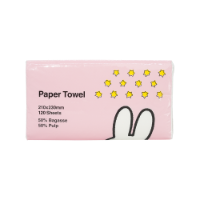
- Standard jumbo rolls with perforated sheets.
- Center-pull rolls, common in commercial kitchens, where the core is removed and sheets pull from the center.
- Multi-fold or C-fold paper towels that dispense one at a time, useful for tabletop holders.
For home kitchens, the familiar perforated roll on a countertop stand is the most convenient. In high-volume settings, center-pull formats reduce downtime because you never hunt for the end of the roll. The roll diameter and total meter length determine how often you restock. A roll labeled “2‑ply, 120 sheets” is not always longer than one with 100 sheets — compare total unfolded length before judging value.
Absorbency Testing and What the Numbers Mean
Absorbency is measured by water drop tests and total immersion weight ratios. The industry shorthand is “water absorbency capacity” — the grams of water held per gram of dry paper. Common kitchen towels hold 7–9 times their weight. High-end sugarcane pulp sheets reach 10–12×, explaining why they handle persistent spills with fewer sheets.
Oil absorbency matters for cooking cleanup. Paper towels with a structured surface pattern, such as embossing or quilting, increase surface area and trap oil instantly, preventing drips when you move the soaked sheet to the bin. If you regularly drain fried foods, select a towel specifically designed for oil absorption.
Eco-Conscious Choices Without Compromise
The kitchen paper towel category has seen a steady shift toward renewable fibers. Sugarcane bagasse turns a sugarcane milling by-product into a high-performance sheet. Recycled options divert post-consumer paper from landfills. If your priority is carbon footprint, look for towels with at least 80% post-consumer recycled content or certified compostable claims. Biodegradable options like sugarcane pulp hand towels also appear in the hand towel segment, but the same pulp technology applies to kitchen rolls.
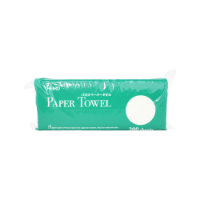
There is no compromise on performance today. Modern eco-friendly kitchen paper towels match or exceed the wet strength of conventional wood pulp products, a leap forward from just five years ago.
Choosing the Right Product in Three Steps
- Define the primary task. Heavy grease, frequent deep spills, and scrubbing call for high gsm (30+) and oil-absorbent surface design. Light countertop wiping and hand drying can use thinner, 22 gsm sheets.
- Check the material source. Sugarcane pulp for highest absorbency with a renewable story. Virgin wood pulp for uniform softness. Recycled for general low-impact use.
- Verify sheet count vs. roll dimensions. Multiply sheets per roll by sheet length to get total meters. This reveals the true cost per use, not just per roll.
Commercial buyers should also consider packaging efficiency. Flattened, compressed rolls and bulk cases reduce shipping volume and storage space, a detail that pays off over thousands of rolls per year.

ADD:No. 38 Huipu Road, Baipu Town, Rugao City, Jiangsu Province
Contact us
-

Tel: +86-513-88579198 88572918
-

FAX: +86-513-88572818
-

Email: info@tojin.com.cn

Copyright © 2002 - 2024 Jiangsu MIOV Paper Industry Co., Ltd. All Rights Reserved. Recycled Paper Towel Manufacturers

