

 English
 日本語
日本語 한국어
한국어Industry News

Antibacterial Paper Towels: How They Work and When to Use Them
 2026.05.14
 Industry News
Content
Eighty percent of common infections spread through hand contact — not the air, not food, but hands. That single fact reshapes how we should think about something as ordinary as a paper towel. A regular paper towel dries your hands. An antibacterial paper towel goes a step further: it actively eliminates the bacteria that washing alone often misses.
What Makes Antibacterial Paper Towels Different
Standard paper towels are passive tools. They absorb moisture, but anything living on your hands — E. coli, Staphylococcus, Salmonella — simply transfers to the towel and survives. Antibacterial paper towels change this by embedding antimicrobial agents directly into the fiber.
The most widely used active ingredients are benzalkonium chloride (BAC) and silver-based compounds. BAC has been safely used since 1935 in hand sanitizers, baby wipes, and antiseptic solutions. When you dry wet hands with a BAC-treated towel, moisture activates the compound and transfers it onto your skin, reducing residual bacteria almost instantly. Independent laboratory studies show this mechanism can eliminate over 99.99% of harmful bacteria on contact — and the protection can persist for up to 30 minutes after drying.
Silver-ion technology works differently: silver ions disrupt bacterial cell membranes and interfere with DNA replication, preventing bacteria from multiplying on the towel itself. This is especially useful in high-traffic settings where towels may sit in dispensers for hours.
Where They Make a Real Difference
Not every environment carries the same risk — but these four are where antibacterial paper towels deliver the clearest benefit.
- Commercial kitchens and food prep areas. Foodborne pathogens like Listeria and E. coli thrive on surfaces touched repeatedly throughout the day. Using antibacterial paper towels designed for food service at every drying point reduces cross-contamination between tasks without adding extra steps to the workflow.
- Healthcare and clinical environments. Hospital-acquired infections affect 7 in 100 patients in developed countries. Hand hygiene is the single most cost-effective intervention — and pairing proper handwashing with antibacterial drying adds a measurable layer of protection that alcohol-based gels cannot replicate, since gels don't remove organic matter like grease or blood.
- School and office restrooms. Shared restrooms are high-touch, high-traffic zones. Children in particular wash hands incompletely. An antibacterial towel compensates for imperfect technique, making it a practical upgrade for any institution that can't supervise every handwash.
- Home use during illness season. When someone in your household is sick, the bathroom becomes a transmission hotspot. Switching to antibacterial paper towels temporarily — instead of shared cloth towels — can break the chain of transmission without changing family routines.
Antibacterial vs. Regular: When the Upgrade Is Worth It
Antibacterial paper towels cost more per sheet than regular options, so the choice should be deliberate. The performance gap between antibacterial and standard paper towels is meaningful in high-risk settings, but less critical in low-touch applications like cleaning spills on a countertop.
A practical rule: use antibacterial towels anywhere hands are being dried after contact with raw food, bodily fluids, or shared surfaces. Use regular towels for general cleaning tasks. This targeted approach controls cost without sacrificing the protection where it matters most.
One thing antibacterial paper towels don't replace is proper handwashing. They work best as the final step — a hygiene multiplier, not a shortcut. Soap and water removes organic debris; the antibacterial towel eliminates what remains.
What to Look for When Buying
With a growing number of products on the market, a few specifications help separate effective options from marketing-heavy ones.
- Verified kill rate. Look for third-party tested claims of ≥99.9% bacterial reduction. Products tested against common pathogens (E. coli, S. aureus) offer more meaningful assurance than vague "antibacterial" labels.
- Active ingredient transparency. Reputable products disclose whether they use benzalkonium chloride, silver ions, or another agent. This matters if you're sourcing for healthcare or food-regulated environments, where certain ingredients require compliance documentation.
- Durability and absorbency. An antibacterial towel that disintegrates on first contact defeats its own purpose. Check gram weight — a higher GSM generally indicates a more durable sheet that won't tear before completing the drying task.
- Packaging format. For institutional use, individual-sheet dispensing (interfolded or C-fold) reduces contact contamination compared to roll formats. For home use, compact packs or capsule-format wipes offer convenience without sacrificing efficacy.
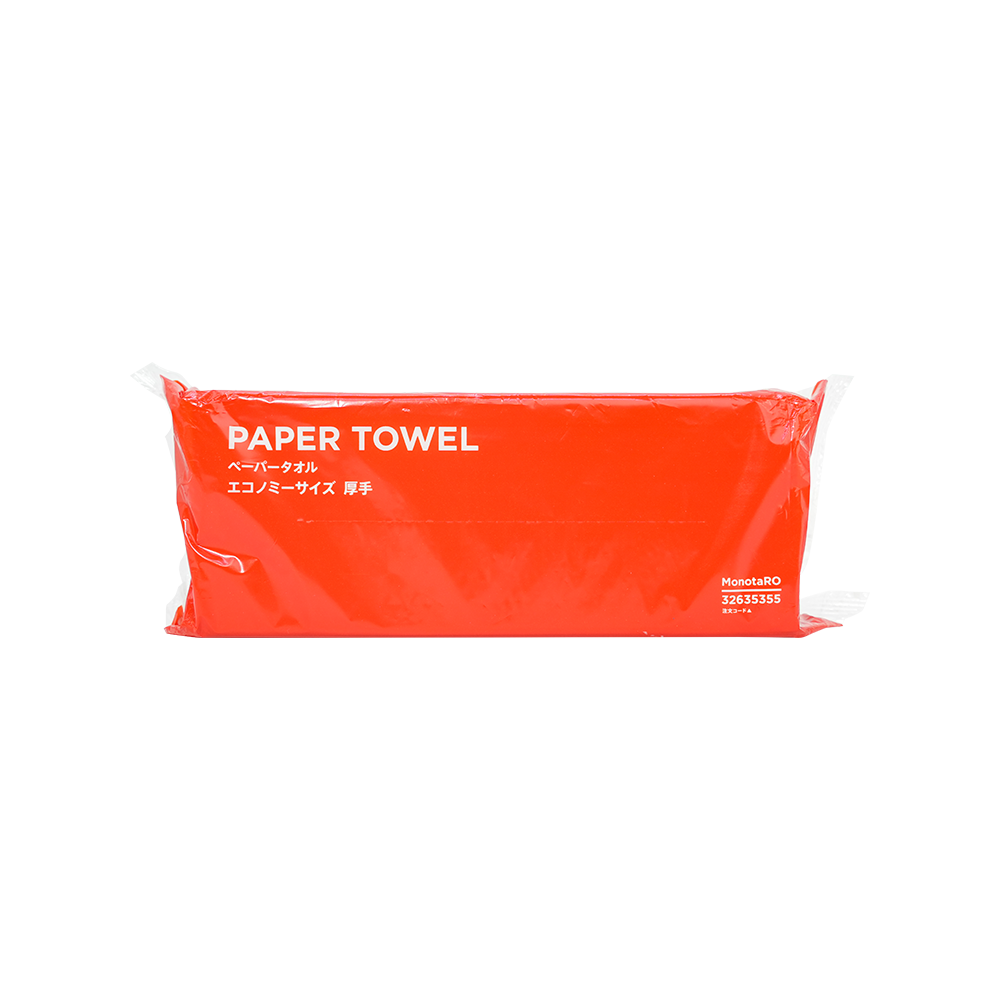
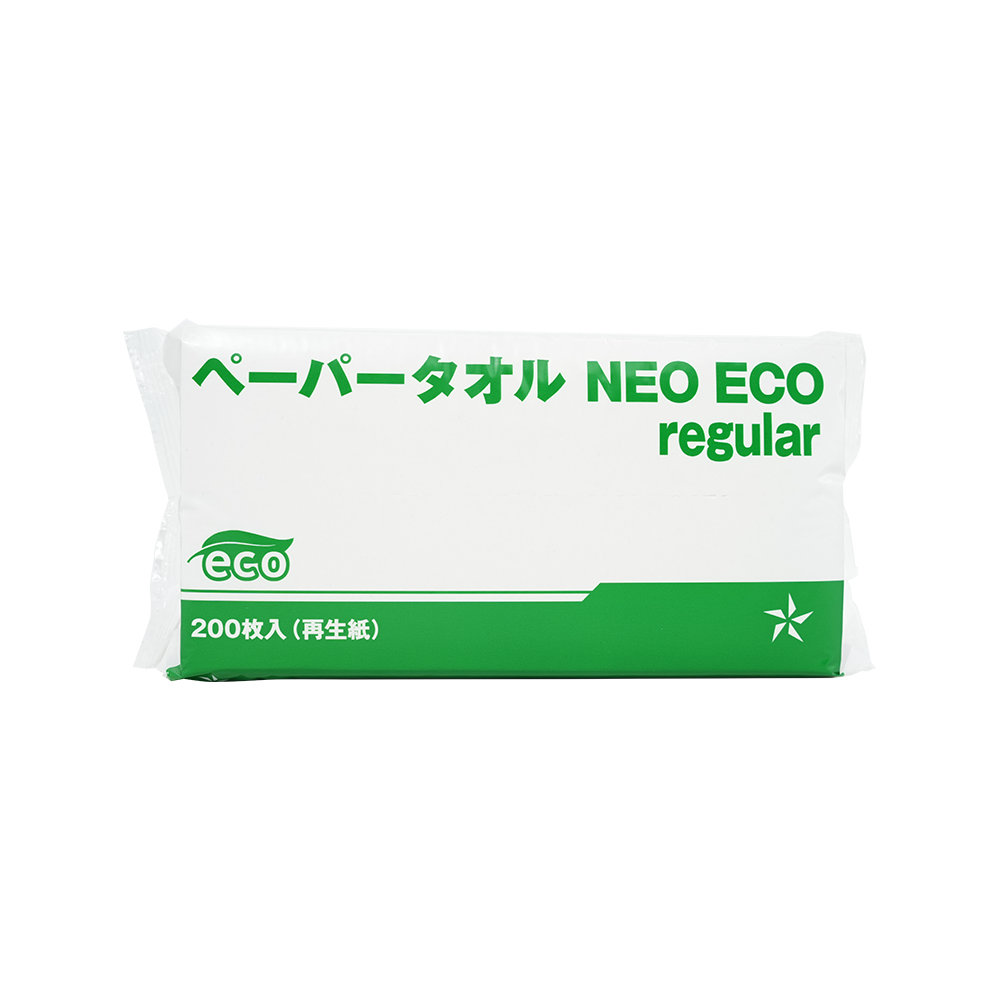
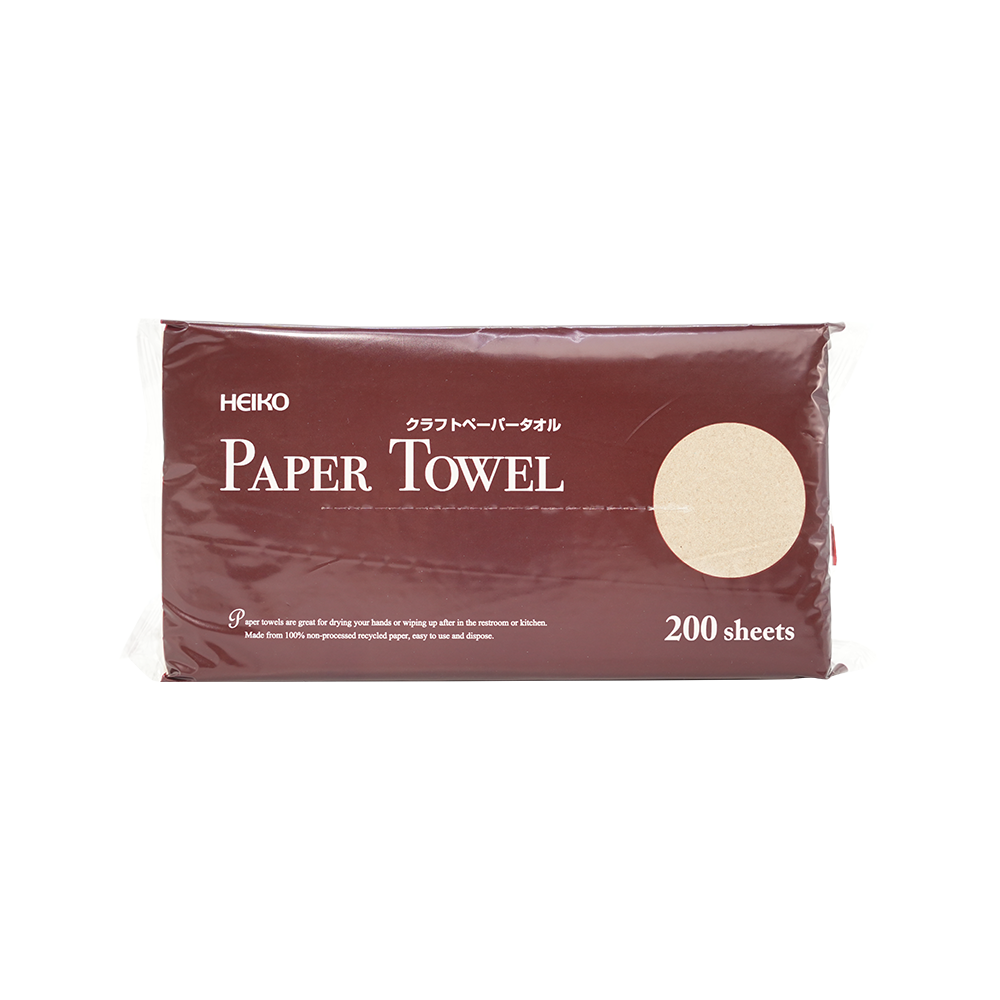
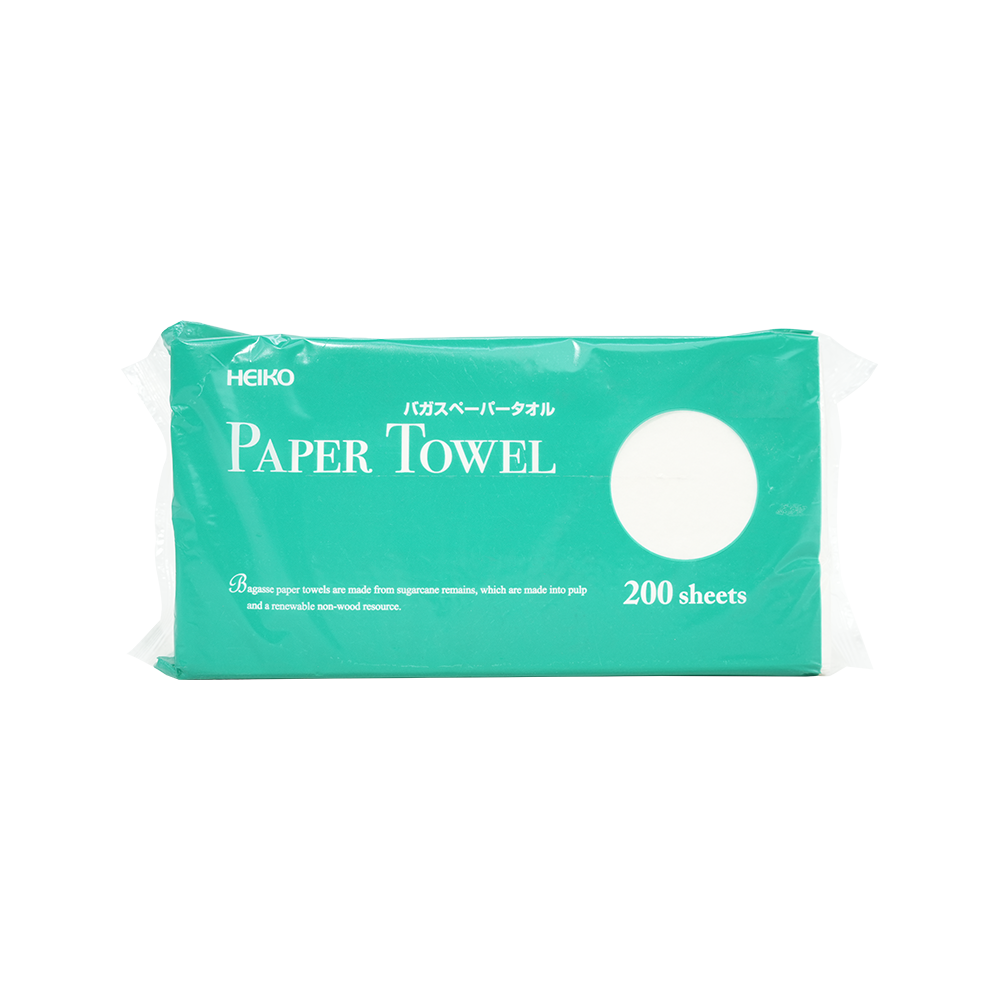
You can review a range of paper towel options across different specifications to match the right product to your specific environment and usage volume.
A Small Change With Compounding Impact
Proper hand hygiene can reduce respiratory infections by 21% and diarrheal diseases by up to 40%, according to CDC data. Those numbers reflect the total chain of prevention — washing, drying, and eliminating residual bacteria. Antibacterial paper towels strengthen the last link in that chain.
For homes, schools, food businesses, and healthcare settings alike, they represent one of the lowest-friction hygiene upgrades available: same habit, better outcome.

ADD:No. 38 Huipu Road, Baipu Town, Rugao City, Jiangsu Province
Contact us
-

Tel: +86-513-88579198 88572918
-

FAX: +86-513-88572818
-

Email: info@tojin.com.cn

Copyright © 2002 - 2024 Jiangsu MIOV Paper Industry Co., Ltd. All Rights Reserved. Recycled Paper Towel Manufacturers

