

 English
 日本語
日本語 한국어
한국어Industry News
 Home / News / Industry News / Antibacterial Paper Towels: How They Work, What to Look For, and Smart Buying Tips
 Antibacterial Paper Towels: How They Work, What to Look For, and Smart Buying Tips
 2026.08.21
 Industry News
Content
Ask a restaurant manager or a facility buyer what changed after switching to antibacterial paper towels, and the answer is rarely dramatic. It is usually measurable: fewer complaints about hand odor, less residue on dispensers, and a simpler story to tell health inspectors. Antibacterial paper towels do not replace soap and water, and they are not a disinfectant wipe. What they do is reduce the bacteria your hands carry away from a washroom or leave behind on a countertop. For kitchens, clinics, offices, and high-traffic washrooms, that reduction is a real and practical benefit.
What Are Antibacterial Paper Towels?
An antibacterial paper towel starts as an ordinary paper towel: cellulose fiber formed into sheets, then crimped or embossed for strength and absorbency. The difference is a treatment applied during converting. A coating containing an antibacterial agent sits on the fiber surface. When the towel meets moisture, the agent is released and acts on bacteria that touch the sheet.
Manufacturers use different chemistries. Some rely on quaternary ammonium compounds; others use metallic ions or natural extracts. The practical effect is the same: the towel surface reduces viable bacteria instead of simply moving them from one place to another. A regular towel can push bacteria around a countertop. An antibacterial version helps neutralize them as it wipes.
How Antibacterial Paper Towels Work
Start with what a normal towel does. When you dry your hands with regular paper, friction removes moisture and some of the microorganisms on your skin. The fibers trap them, and you throw the towel away. That is already a hygiene win. Antibacterial paper towels add a second mechanism: the active agent in the coating begins working as soon as it contacts water. As you dry your hands, the damp fibers transfer the agent to your skin and to the bacteria on it. When you wipe a wet counter, the same coating leaves a thin active layer that keeps working after the towel passes.
In laboratory tests, coated antibacterial towels typically claim a 99.9 percent or 99.99 percent reduction of common bacteria such as Staphylococcus aureus and Escherichia coli within thirty seconds to a few minutes of contact. The important word is "contact." The towel must stay in contact with bacteria long enough for the agent to work. Drying hands thoroughly with a fresh towel is more effective than a quick wipe with one that is already soaked.
For a deeper look at the chemistry and timing, this explainer on how antibacterial paper towels work and when to use them includes practical examples and application notes.
Where Antibacterial Towels Make the Most Sense
Food Service and Kitchens
In a restaurant kitchen, hands are washed dozens of times a day, and staff move constantly between raw ingredients, ready-to-eat food, and shared equipment. A towel that only removes moisture still leaves a film of bacteria on the skin. For kitchen teams that want an extra margin between washes, an antibacterial towel is a small but meaningful addition to the routine. The same logic applies to wiping prep counters after handling raw meat or fish.
For chain restaurant buyers, the focus is usually on standardizing supplies across locations. A 150-count case of coated antibacterial hand towels gives every branch a consistent supply of towels that handle both hand drying and light surface wiping without changing dispensers or staff habits.
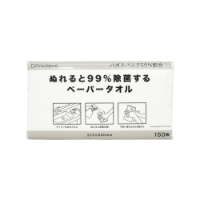 Wholesale 150-Pack coated antibacterial hand towels Suppliers, OEM/ODM Factory- MIOV is China wholesale 150-Pack coated antibacterial hand towels Suppliers and 150-Pack coated antibacterial hand towels OEM/ODM factory...View Product →
Public and Workplace Washrooms
Public washrooms in shopping malls, offices, and transit stations are high-touch environments. The dispenser is one of the few surfaces every visitor touches. When the dispenser holds antibacterial towels, you get a second layer of protection: the towel is a barrier between the user and the dispenser, and the coating reduces whatever bacteria may be transferred. For facilities that already have dispensers, switching the refill is a low-effort upgrade with a visible hygiene message.
For washrooms without a mounted dispenser, or for cleaning teams that work across multiple areas, capsule antibacterial hand wipes offer a portable alternative. Staff can carry a capsule in a pocket or keep a small supply at a reception desk for visitors and employees.
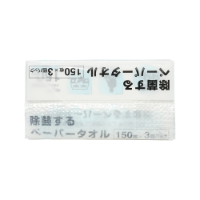 Wholesale Convenient capsule antibacterial hand wipes Suppliers, OEM/ODM FactoryMIOV is China wholesale Convenient capsule antibacterial hand wipes Suppliers and Convenient capsule antibacterial hand wipes OEM/ODM fac...View Product →
Clinics, Daycares, and Salons
Dental offices, clinics, daycares, and salons fall between strict medical environments and ordinary commercial spaces. They need a visible hygiene standard but rarely justify the cost of clinical-grade disinfectants. Antibacterial paper towels offer a middle ground: they look like standard towels, cost only slightly more, and give staff and customers a tangible sign that hygiene is being taken seriously.
Home Kitchens
At home, the antibacterial feature is less essential than in commercial kitchens, but there are exceptions. Households with young children, elderly members, or anyone with a weakened immune system benefit from lowering the bacterial load on surfaces where food is prepared. If you already use paper towels for raw meat cleanup, an antibacterial roll adds protection without changing your routine.
Antibacterial vs. Regular Paper Towels
The differences are not about absorbency or strength. Fiber quality and gram weight determine those. The difference is in bacterial reduction. The comparison below summarizes what changes when you switch.
| Property | Regular Paper Towel | Antibacterial Paper Towel |
|---|---|---|
| Bacteria during hand drying | Removed by friction and trapped in fibers | Removed and reduced by contact killing |
| Surface wiping | Wipes away soil; can redistribute bacteria | Wipes away soil and reduces bacterial load |
| Cost per towel in bulk | Lower | Typically 10 to 25 percent higher |
| Wet strength | Depends on gram weight | Depends on gram weight; coating can add stiffness |
| Best environments | General-purpose cleaning | Food service, public washrooms, clinics |
| Environmental options | Recycled, bamboo, or sugarcane pulp available | Same sustainable pulps with a functional coating |
The premium for antibacterial towels is small when you buy in bulk. For a food-service operator, the added cost is often under one cent per towel. That is a modest price for a measurable reduction in bacterial transfer, especially in facilities where health inspections and customer perception matter.
How to Choose Antibacterial Paper Towels
Buying antibacterial towels is not the same as buying regular towels. The coating adds a variable you cannot see on the surface. Work through these factors before you commit to a supplier.
- Gram weight. Heavier towels in the 34- to 42-gram range are denser, absorb more water, and hold together during wiping. Lightweight towels cost less but may tear while wet, which defeats their purpose.
- Coating durability. The antibacterial agent has to survive storage, friction, and humidity. A poorly bonded coating rubs off quickly. For heavy commercial use, a 34-gram durable coated antibacterial hand wipe
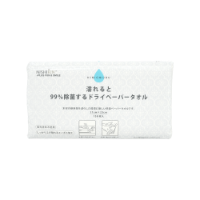 Wholesale 34g Durable coated antibacterial hand wipes Suppliers, OEM/ODM FactoryMIOV is China wholesale 34g Durable coated antibacterial hand wipes Suppliers and 34g Durable coated antibacterial hand wipes OEM/ODM fac...View Product → is designed to keep its structure and active layer through repeated wiping.
 - Absorbency. A good hand towel absorbs two to three times its own weight in water. Check the manufacturer's test data rather than guessing from the price.
- Material. Recycled pulp, bamboo, and sugarcane fibers perform well and support sustainability targets. Non-wood pulps are not a downgrade from virgin wood when the sheet is engineered correctly.
- Certifications and documentation. Look for ISO 9001 quality management, food-contact compliance where relevant, and third-party lab reports on antibacterial activity.
- Format and dispensing. Rolls, interfolded sheets, flat packs, and capsules suit different dispensers and traffic levels. Match the format to your existing hardware.
Before switching suppliers, ask for test results, not a sales sheet. A reputable manufacturer shares laboratory reports on antibacterial activity, absorption, and wet strength, and explains how the coating performs at different humidity levels and after long storage. MIOV publishes its environmental commitments and production details on its sustainability page, and any supplier you consider should be equally transparent.
Practical Use and Buying Tips
Antibacterial towels only help if they are used correctly. These five habits make the difference between a real gain and a wasted purchase.
- Dry hands thoroughly. An antibacterial towel works by contact, and a quick dab gives the agent almost no time to act.
- Use one fresh towel per hand-drying event. Reusing an already damp towel reduces contact time and spreads moisture.
- Take a new towel for surface wiping, especially after raw meat or fish. Do not wipe a counter with the same towel you just dried your hands on.
- Store towels in a dry, covered area. Humidity degrades the coating and weakens the paper.
- Order samples and run a two-week trial in your busiest location before committing to a bulk contract. Compare consumption against the previous towel line; the result will tell you whether the antibacterial option fits your operation.
Antibacterial paper towels are not a miracle product, and they should not be sold as one. They are a practical tool in a layered hygiene strategy: wash hands correctly, dry them completely, keep surfaces clean, and let an antibacterial sheet close the small gaps that ordinary paper towels leave open. For procurement teams, the cost premium is small, the switching risk is low, and the payoff in inspection readiness and customer confidence is tangible.

ADD:No. 38 Huipu Road, Baipu Town, Rugao City, Jiangsu Province
Contact us
-

Tel: +86-513-88579198 88572918
-

FAX: +86-513-88572818
-

Email: info@tojin.com.cn

Copyright © 2002 - 2024 Jiangsu MIOV Paper Industry Co., Ltd. All Rights Reserved. Recycled Paper Towel Manufacturers

