

 English
 日本語
日本語 한국어
한국어Industry News
 Home / News / Industry News / Pulp Paper Industry: Fiber Sources, Manufacturing, and Tissue Supply Chains
 Pulp Paper Industry: Fiber Sources, Manufacturing, and Tissue Supply Chains
 2026.09.04
 Industry News
Content
The pulp and paper industry converts plant fiber into more than 400 million metric tons of paper and paperboard every year, and tissue is the part of that output most people touch daily: bathroom tissue, kitchen rolls, facial tissue, and hand towels. If you buy tissue for a restaurant chain, a retail brand, or a distribution business, the industry's fiber and production decisions land directly in your unit costs, your sustainability claims, and the performance of every sheet you hand out. The trend that matters most is easy to state: after decades of running almost entirely on wood, the industry is adding bamboo, sugarcane bagasse, and recycled fiber to the mix, and that shift is already visible in the tissue products you can specify.
What the Pulp and Paper Industry Actually Covers
At its base, the industry includes every company that takes cellulose-bearing raw material — traditionally pulpwood from forests, and increasingly bamboo, sugarcane bagasse, and recovered paper — and turns it into pulp, paper, paperboard, and converted products. The chain runs in three layers. Upstream, pulp mills produce virgin or recycled pulp. In the middle, paper and board machines turn that pulp into reels of paper, including the wide parent rolls used for tissue. Downstream, converters rewind, fold, emboss, and package those reels into the finished packs that consumers and kitchens actually use.
It is a heavy industry in every sense: production is energy- and raw-material-intensive, drying the sheet is the most energy-hungry step, and machines demand high capital investment with long payback cycles. Capacity decisions made years ago still shape today's fiber prices, which is one reason buyers see quotation swings unrelated to their own volumes.
Geography matters as well. The United States is the world's largest producer of virgin wood pulp and ranks second in paper and packaging output, Asia holds the largest share of both production and consumption, and Latin America keeps expanding hardwood pulp capacity. Tissue manufacturing sits in the converting layer of this system. Companies such as Jiangsu MIOV Paper Industry Co., Ltd. (MIOV) operate exactly there, running automated lines that turn bamboo, sugarcane, wood, and recycled pulp into finished tissue, and supplying paper mother rolls to other processors who handle their own converting.
From Fiber to Finished Sheet
Production starts with pulping. Virgin fiber is separated mechanically or chemically; recycled lines repulp recovered paper and wash out inks and contaminants. The pulp is refined, diluted with water, and spread across a moving wire, where it drains, is pressed, and dries against heated cylinders. The basic logic — reduce plant fiber to a wet web, then dry it — has not changed since papermaking spread from China roughly two thousand years ago; what has changed is the speed, precision, and energy management around it. In tissue, through-air drying (TAD) is a well-known refinement because it preserves bulk and softness instead of pressing the sheet flat.
For tissue, the paper machine is only half the work. Large mother rolls are converted into products: rewound to log size, cut, folded, embossed, and wrapped. Packaging format is decided at this stage too — flat packs, capsule formats for antibacterial wipes, pump dispensers, portable pocket packs, and count-and-weight variants for different markets.
One physical constraint runs through everything: cellulose fibers shorten every time they are repulped. Paper cannot be recycled indefinitely, so fresh fiber — whether virgin wood or a fast-renewing non-wood source — remains an integral part of the process even in a recycling-focused industry. That single fact explains most of the fiber strategy you see across the market.
Fiber Choices: Wood, Bamboo, Sugarcane, and Recycled
Fiber choice is the biggest lever a tissue manufacturer controls. It sets the cost floor, the environmental profile, and most of the physical performance of the finished sheet. Four fibers dominate tissue sourcing, and they behave differently in the hand and on the machine:
| Fiber | Typical Properties | Common Tissue Uses | Main Trade-offs |
|---|---|---|---|
| Virgin wood pulp | Balanced softness and strength; softwood adds strength, hardwood adds softness | Premium facial tissue, bath tissue, hand towels | Cost tracks pulp market cycles; forest-sourcing scrutiny |
| Bamboo pulp | Fast-renewing grass fiber; soft feel with good tensile strength | Facial tissue, bath tissue, napkins | Supply concentrated in Asia; sourcing needs documentation |
| Sugarcane bagasse | Agricultural byproduct of sugar production; highly absorbent and biodegradable | Kitchen paper, hand towels | Shorter fiber; usually blended for wet strength |
| Recycled fiber | Natural gray or brown tone; cost-effective | Hand towels, industrial wipes, value lines | Shorter, weaker fibers; lower brightness |
Where Bamboo Fits
Bamboo regrows from its own root system after harvest, so it does not need replanting each cycle, and its fiber delivers a softness-strength balance that suits facial tissue in particular. A double-layer bamboo pulp facial tissue in a pump dispenser pack shows the format this fiber supports: gentle enough for facial skin, with ply structure that holds together when wet.
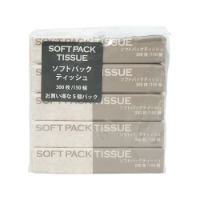 150-Sheet Bamboo Pulp Double-Layer Facial Tissue, 5-PackMade from regrowth-friendly bamboo pulp, this double-layer facial tissue offers softness and wet strength suited to facial skin. The 150-sheet, 5-pack dispenser format suits home, office, or commercial use, illustrating the format bamboo fiber supports.View Product →
Where Sugarcane and Recycled Fiber Fit
Sugarcane bagasse is the fiber left over after juice extraction, which makes it an agricultural byproduct rather than a tree felled for paper. It is naturally absorbent, which is why it keeps appearing in kitchen paper. Recycled fiber carries a natural gray or brown tone and shorter fibers, which fits hand towels and industrial wiping where cost per sheet and function matter more than whiteness. If you want to go deeper on how these fibers change kitchen towel performance, this buying guide covering absorbency, strength, and sugarcane pulp sets out practical evaluation criteria.
Environmental Pressure and the Recycled Fiber Equation
The pulp and paper industry has long carried a deforestation association, and that scrutiny now reaches every downstream category, tissue included. Retail chains and foodservice groups increasingly ask where fiber comes from before they list a supplier, and they expect the answer to be documented rather than implied.
Recycling is the other half of the response. Recovered paper supplies a substantial share of global fiber, and mills keep investing in water and energy efficiency. But recycled fiber is not a complete answer: fibers weaken with each cycle, deinking and contamination limit what recovered stock can produce, and grades such as facial tissue still rely on fresh fiber for softness and hygiene.
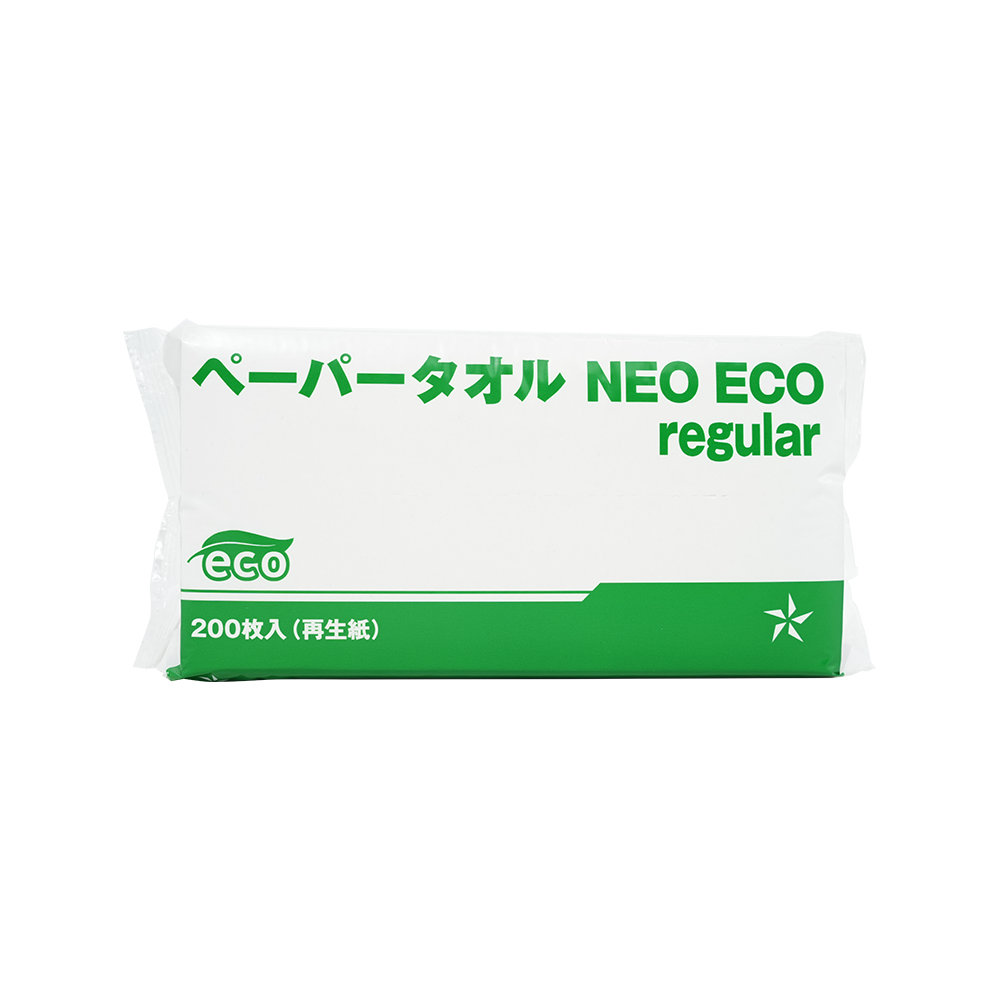
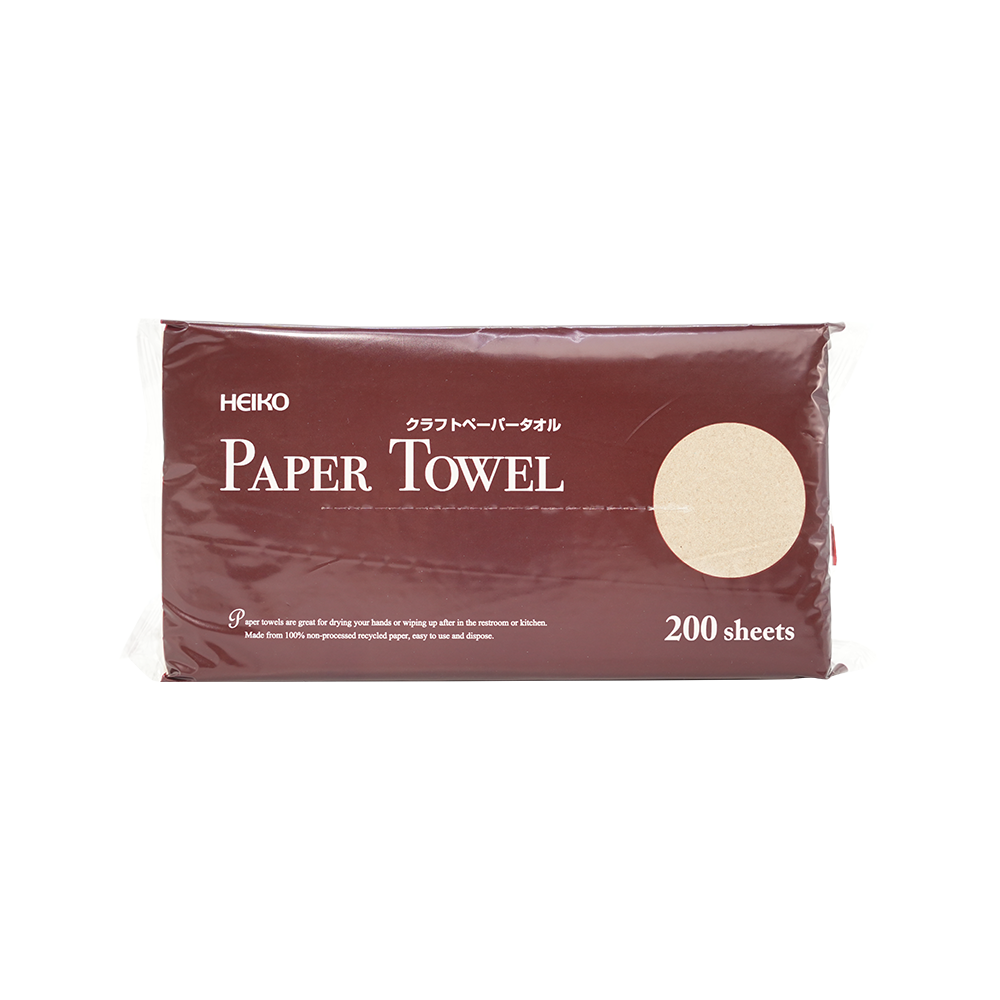
Non-wood fibers change that calculation. Bamboo and bagasse come from plants that regrow within months or from byproducts of food production, which eases pressure on forests without asking buyers to give up performance. Recycled fiber has its own practical lane: a strongly absorbent natural-color recycled hand towel shows the sensible end of that spectrum — recovered fiber with no bleaching to full whiteness, doing exactly the job required at a washroom sink.
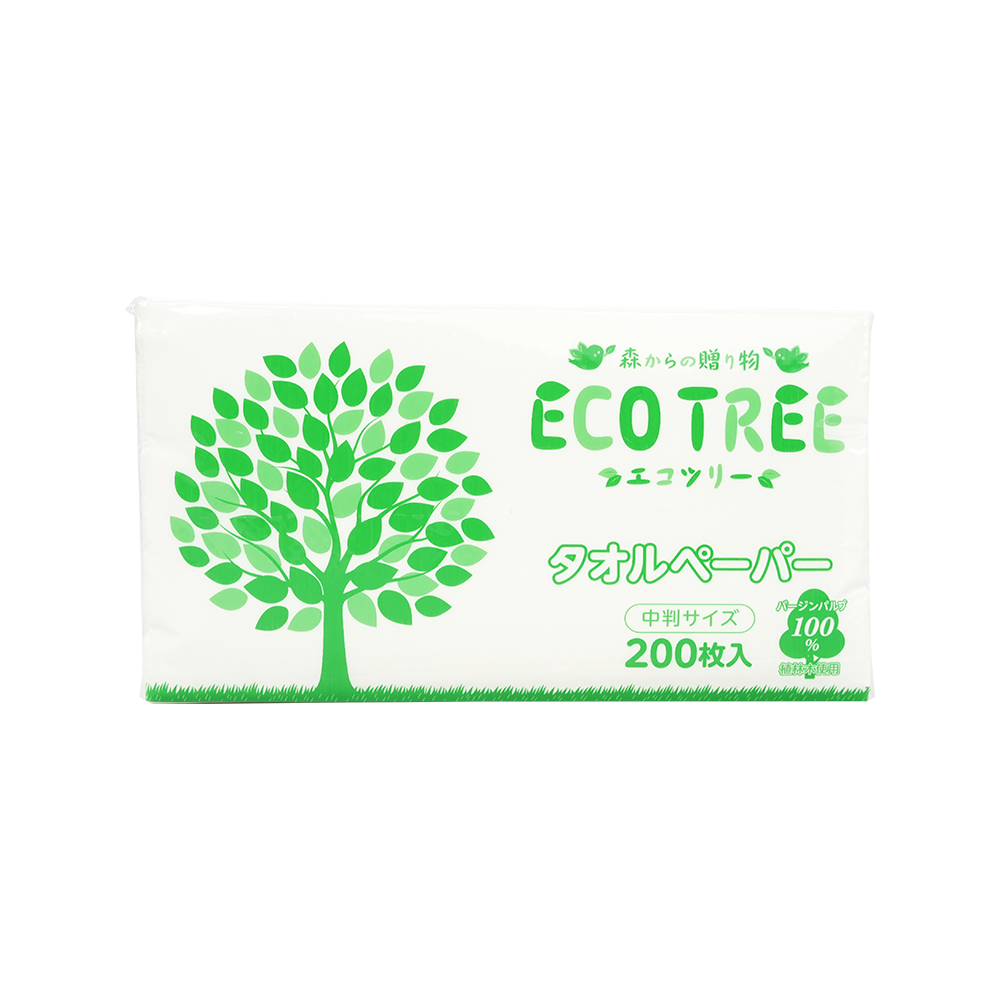
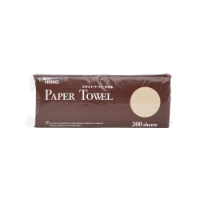 Strongly Absorbent Recycled Natural-Color Hand TowelsThese unbleached hand towels use recovered fiber in its natural color, avoiding deinking chemicals while remaining absorbent for hand drying. They show the practical role recycled fiber plays at washroom sinks, where function and value matter more than whiteness.View Product →
Commitments only mean something when they are backed by sourcing, so it is fair to ask a supplier how it explains its own material choices. MIOV's sustainability page sets out the company's position on non-wood and recycled raw materials and the reasons behind them.
What Tissue Buyers Should Take From These Trends
Knowing how the industry works changes how you write a specification and pick a supplier. Four points carry most of the weight:
- Get fiber origin in writing. If a product is sold as bamboo or sugarcane pulp, the specification and any test reports should say so. Blends are common and legitimate, but they should be declared.
- Judge performance on numbers, not adjectives. Basis weight in grams per square meter, ply count, absorbency rate, and wet tensile strength tell you more than "soft" or "strong" ever will. A 26 g hand towel and a 45 g kitchen towel are different products, and the price gap should be explainable by those figures.
- Match the packaging format to your channel. Capsule and portable packs suit convenience retail and foodservice washrooms; pump and multi-pack formats suit household shelves.
- Check conversion capability, not just paper quality. Automated lines, consistent embossing and folding, and export packing experience decide whether large orders arrive shelf-ready.
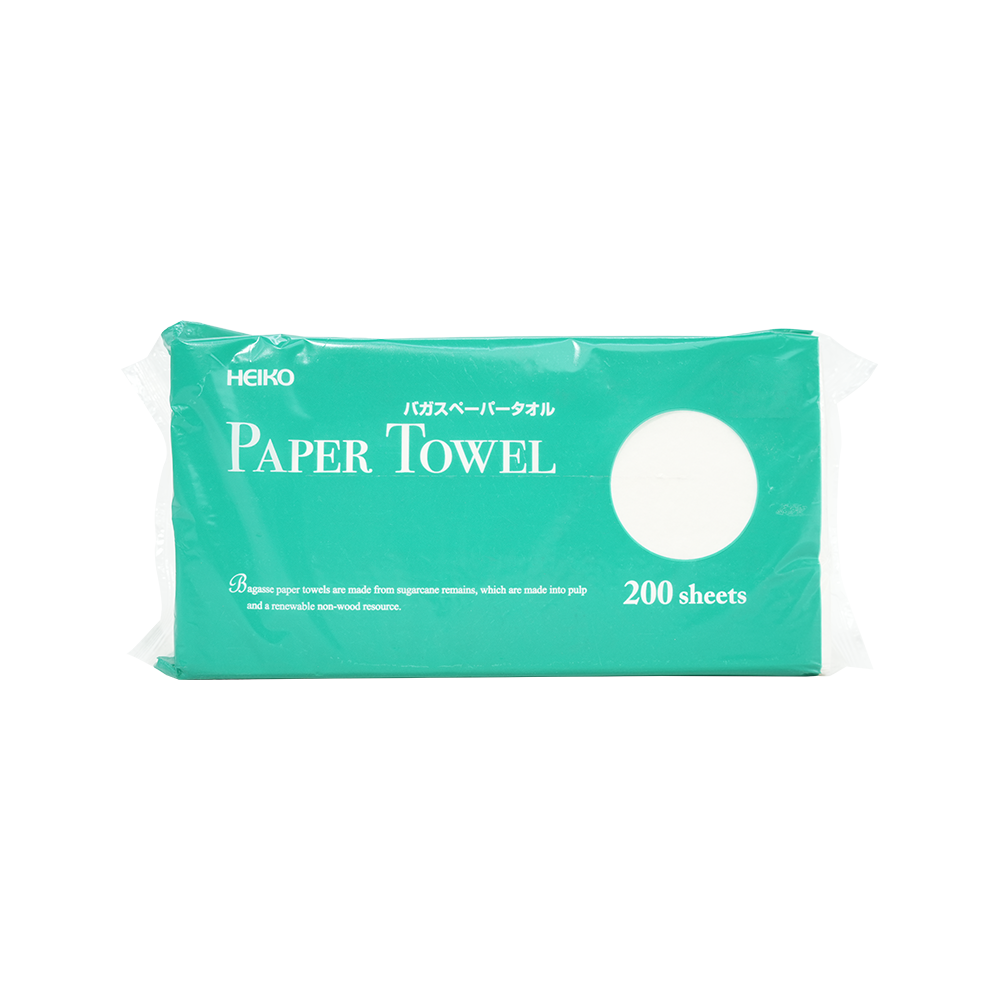
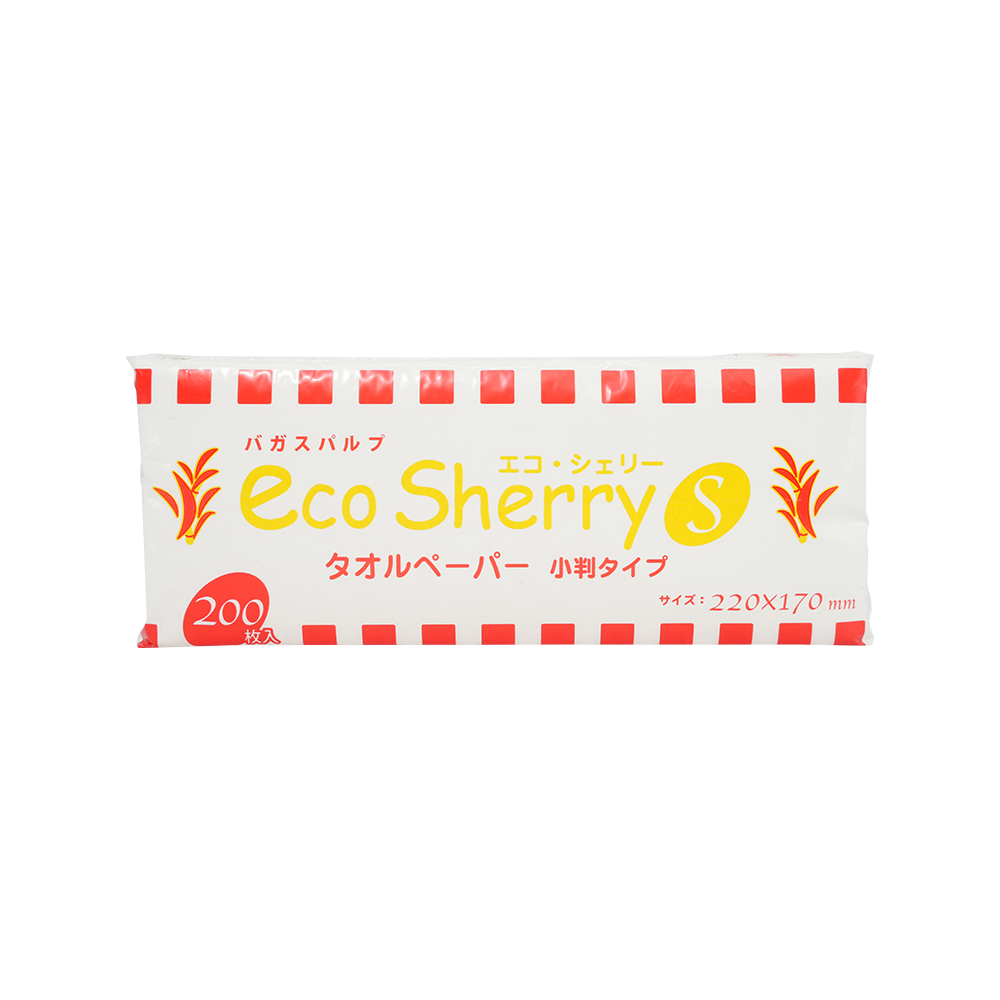
For foodservice buyers, kitchen paper is a working tool rather than an amenity. Oil absorption and wet strength determine how many sheets a kitchen goes through per service, which is why oil-absorbent sugarcane pulp kitchen paper has become a sensible default: a byproduct fiber, strong enough for grease, biodegradable at disposal.
 Strong Oil-Absorbent Sugarcane Pulp Kitchen PaperMade from sugarcane bagasse, a rapidly renewable byproduct fiber, this kitchen paper combines oil absorption and wet strength for foodservice tasks. It is a sensible default for busy kitchens seeking grease performance with biodegradable disposal.View Product →
Logistics and track record come last but matter. A converter located about 120 kilometers from Shanghai Port, running ISO9001-certified lines and shipping more than a million cases a year into a demanding market like Japan, has already been tested on the issues that usually cause trouble in tissue procurement: batch consistency, export packing, and on-time delivery.
The pulp and paper industry is moving from a wood-dominated model toward a mixed-fiber one, pushed by cost cycles, the physical limits of recycling, and environmental scrutiny. For tissue buyers, the practical result is a wider, more honest menu: bamboo for soft facial tissue, sugarcane bagasse for absorbent kitchen paper, recycled fiber for cost-effective hand towels, and wood pulp where softness and strength both need to peak. Suppliers that control their own converting lines and document fiber origin turn those options into products that perform on the shelf and survive an audit. That is the real change underway — not a slogan, but a set of fiber trade-offs you can now specify with confidence.

ADD:No. 38 Huipu Road, Baipu Town, Rugao City, Jiangsu Province
Contact us
-

Tel: +86-513-88579198 88572918
-

FAX: +86-513-88572818
-

Email: info@tojin.com.cn

Copyright © 2002 - 2024 Jiangsu MIOV Paper Industry Co., Ltd. All Rights Reserved. Recycled Paper Towel Manufacturers

